Paying cash for a home can make an offer more attractive to a seller. There is no lender approval to wait for, fewer financing conditions may be involved, and the transaction can sometimes close more quickly.
However, removing the lender also removes one of the safeguards commonly included in a financed purchase: the lender-ordered appraisal.
A cash buyer is not always required to obtain an appraisal, but that does not mean the property’s value should be accepted without independent analysis. A professional home appraisal for buyers in Pennsylvania can help a cash purchaser determine whether the agreed price is reasonably supported by the local market.
So, do cash buyers need a home appraisal in Bucks County, PA? The answer depends on the property, the price, the buyer’s knowledge of the market, and the amount of financial risk involved.
For a typical home with strong comparable sales, an experienced buyer may decide not to order one. For a unique property, private sale, inherited home, renovation project, or high-value purchase, an independent appraisal can provide valuable information before closing.
Why Is an Appraisal Usually Required With a Mortgage?
In a financed purchase, the lender generally orders an appraisal to evaluate the property being used as collateral for the loan.
The lender wants to know whether the property provides reasonable support for the proposed loan amount. The appraisal is primarily prepared for the lender’s underwriting decision—not to protect every interest of the buyer.
When a buyer pays cash, there is no lender requiring that step. The buyer can usually decide whether to order an independent appraisal.
That creates more flexibility, but it also places greater responsibility on the buyer. Without a lender appraisal, the buyer may proceed based only on:
- The asking price
- The accepted offer
- An online estimate
- A real estate agent’s market analysis
- The seller’s opinion
- Nearby sale prices
- Personal impressions of the home
Each source may be helpful, but none automatically confirms that the price is supported by the market.
What Is a Cash-Purchase Appraisal?
A cash-purchase appraisal is an independent opinion of a property’s market value prepared for a buyer, seller, or another authorized party involved in a cash transaction.
The appraiser typically:
- Identifies the property and intended use
- Confirms the effective date of value
- Inspects the property when required
- Researches the relevant local market
- Selects comparable sales
- Analyzes meaningful differences
- Develops an opinion of value
- Prepares a written appraisal report
The purpose is not to approve or reject the purchase. The appraisal gives the buyer additional information for making an independent decision.
Appraisal vs. Home Inspection: Do You Need Both?
An appraisal and a home inspection serve different purposes.
| Service | Primary purpose | Main focus |
| Home appraisal | Develop an opinion of market value | Location, condition, features, comparable sales, and market evidence |
| Home inspection | Identify physical defects and safety concerns | Roof, electrical, plumbing, HVAC, structure, and building systems |
| Title search | Examine ownership and recorded claims | Ownership, liens, easements, and other title matters |
| Survey | Document boundaries and certain site features | Lot lines, improvements, encroachments, and easements |
| Attorney review | Address legal and contractual issues | Agreement terms, disclosures, title, and legal rights |
An appraisal may consider the property’s overall condition, but it is not a technical inspection of every building system.
A home can be worth the agreed price and still have an expensive roof or structural problem. It can also be in excellent physical condition but priced above what the local market supports.
Depending on the transaction, a cash buyer may benefit from both an appraisal and a home inspection.
When Should a Cash Buyer Consider an Appraisal?
When the Purchase Price Is Difficult to Verify
Some properties are easy to compare. Others are not.
An appraisal may be especially helpful when the home has:
- A large or unusual lot
- Acreage
- Custom construction
- Extensive renovations
- Historic features
- A swimming pool
- Multiple outbuildings
- River access or water views
- A mixed or unusual design
- Few nearby comparable sales
- Significant deferred maintenance
- A location near a flood zone
A local residential appraiser in Bucks County, PA can determine which sales genuinely compete with the property rather than relying only on distance or price per square foot.
When Buying Directly From a Seller
A private sale may occur between:
- Family members
- Friends
- Neighbors
- Landlords and tenants
- Business partners
- Co-owners
- An estate and a beneficiary
Because the property may not be fully exposed to the open market, the parties may have limited evidence showing whether the proposed price is reasonable.
An independent appraisal can help support a fair negotiation without requiring either party to rely solely on the other’s opinion.
When Purchasing an Inherited Property
An inherited property may be sold by an executor, estate, or multiple beneficiaries. The home may need repairs, lack recent updates, or have limited documentation.
A cash buyer should not assume that the estate’s asking price equals market value. Likewise, the estate should not assume that every investor offer represents fair market value.
A current purchase appraisal can help evaluate the present transaction. If the estate also needs a historical value for probate or tax purposes, a separate estate and date-of-death appraisal may be required.
When the Property Needs Renovation
Buyers sometimes subtract estimated repair costs directly from the value of a fully renovated home. That method can be misleading.
Suppose a renovated comparable property sold for $600,000 and the subject needs approximately $80,000 in work. The subject is not automatically worth $520,000.
Buyers may also account for:
- Time required to complete renovations
- Construction risk
- Contractor availability
- Financing or holding costs
- Differences in renovation quality
- Functional limitations
- Market reaction to the current condition
An appraiser analyzes how actual buyers respond to similar properties rather than simply deducting a repair estimate from another home’s sale price.
When the Buyer Is New to Bucks County
A buyer relocating from another state may not recognize the differences between Bucks County markets.
Values may be influenced by:
- School district
- Municipality
- Access to major roads
- Commuting convenience
- SEPTA access
- River proximity
- Flood exposure
- Public water and sewer
- Septic and private well systems
- Historic restrictions
- Lot size
- Property taxes
- Neighborhood demand
A home that appears inexpensive compared with another community may reflect a meaningful difference in location, condition, property type, or buyer demand.
When the Buyer Is Making a Non-Contingent Offer
In a competitive market, cash buyers may offer to waive certain contingencies. Before doing so, the buyer should understand the financial risk.
An independent appraisal completed before closing can help answer an important question:
If I needed to sell this property under normal market conditions, is the price I am paying reasonably supported?
An appraisal does not guarantee a future sale price, but it provides a professional analysis based on current evidence.
When the Purchase Involves a High-Value Property
A small percentage difference can represent a large amount of money on a luxury or high-value purchase.
For example:
| Purchase price | 5% difference | 10% difference |
| $400,000 | $20,000 | $40,000 |
| $600,000 | $30,000 | $60,000 |
| $900,000 | $45,000 | $90,000 |
| $1,500,000 | $75,000 | $150,000 |
These examples do not predict an appraisal result. They simply demonstrate why independent valuation can matter when a substantial amount of cash is involved.
When Might a Cash Buyer Skip the Appraisal?
A buyer may decide not to order an appraisal when:
- The property has many recent and highly similar sales
- The buyer has strong knowledge of the local market
- The purchase price is well supported by available evidence
- The buyer plans extensive redevelopment
- The value of the existing improvements is not the primary consideration
- The buyer accepts the risk of paying above market value
- Timing does not allow an appraisal
- The transaction price is not material to the buyer’s broader objective
Skipping an appraisal is a risk decision rather than proof that the property is worth the agreed price.
The buyer should discuss the decision with appropriate real estate, legal, tax, and inspection professionals.
Why Bucks County Market Knowledge Matters
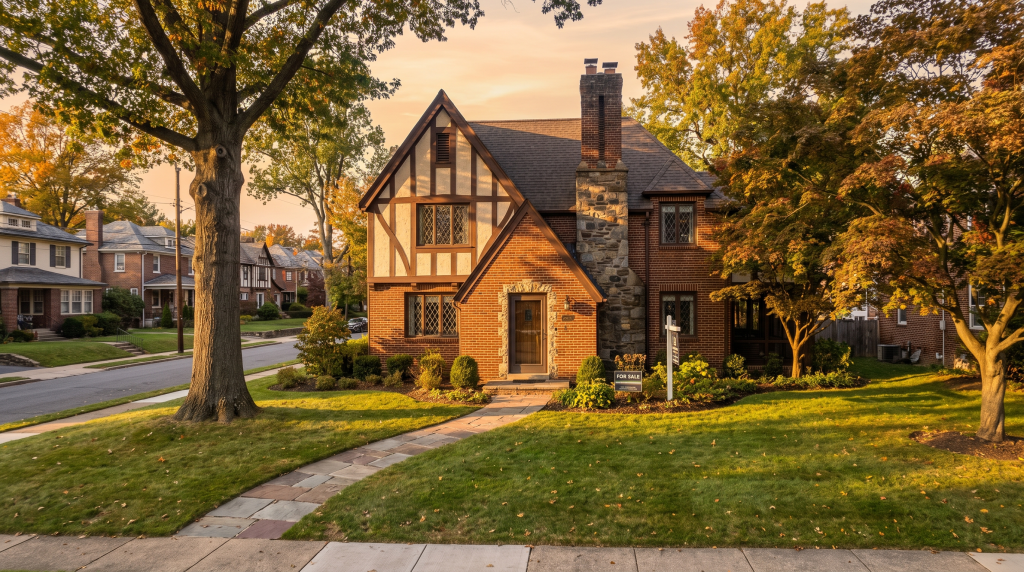
Bucks County is not a single uniform housing market.
A property in Levittown may require a different comparable-sale search than a home in Doylestown. A custom property in New Hope may attract a different buyer pool than a traditional suburban home in Langhorne or Bensalem.
A home appraiser in Newtown, PA may consider neighborhood design, school district, renovation level, housing supply, and access to major commuting routes.
A home appraisal in Yardley, PA may require additional consideration of river proximity, flood influence, lot characteristics, historic appeal, and transportation access.
The nearest sale is not always the best comparable. The appraiser must determine whether the sale reflects the same competitive market and buyer expectations.
How Does an Appraiser Analyze a Cash Purchase?
Property Inspection
The appraiser may observe:
- Living area
- Layout
- Construction quality
- Overall condition
- Bedrooms and bathrooms
- Basement
- Garage
- Lot characteristics
- Renovations
- Additions
- Amenities
- External influences
The inspection helps the appraiser understand how the property compares with available market data.
Comparable-Sale Research
Comparable sales are evaluated based on factors such as:
- Location
- Sale date
- Property type
- Size
- Age
- Design
- Condition
- Quality
- Renovations
- Lot size
- Basement
- Garage
- Amenities
- Overall market appeal
The appraiser may also consider current listings and pending transactions when appropriate, but closed sales generally provide stronger evidence of completed market activity.
Market Adjustments
No two homes are identical. The appraiser analyzes meaningful differences between the subject and comparable properties.
Adjustments should reflect how the market responds to those differences. Renovation cost alone does not automatically equal added market value.
Final Reconciliation
After analyzing the evidence, the appraiser reconciles the available data into an opinion of market value.
The report should explain the property, market, selected sales, adjustments, assumptions, and final conclusion clearly enough for the intended user to understand the reasoning.
What If the Appraisal Is Lower Than the Purchase Price?
A low appraisal does not automatically mean the buyer must cancel the transaction. A cash buyer generally has several possible options, depending on the agreement and professional advice.
The buyer may:
- Proceed at the agreed price
- Renegotiate the price
- Request a seller credit
- Review the report for factual errors
- Provide relevant market information
- Obtain another appraisal
- Withdraw if permitted by the contract
- Accept that the purchase involves paying above appraised market value
The correct response depends on the contract, property, market, and buyer’s objectives.
An appraiser should not raise the value simply because it is below the purchase price. Any correction or reconsideration should be based on relevant facts or market evidence.
What If the Appraisal Is Higher Than the Purchase Price?
A value above the contract price may suggest that the buyer negotiated favorable terms. However, it does not guarantee an immediate profit.
A future sale will still depend on:
- Market conditions at that time
- Marketing exposure
- Property condition
- Selling expenses
- Buyer demand
- Negotiations
- Inspection findings
- Financing conditions
An appraisal is an opinion of value as of a specific date—not a guarantee of future performance.
How Much Does a Cash-Purchase Appraisal Cost?
Fees depend on the property and assignment complexity. The following figures are general planning ranges rather than guaranteed quotes.
| Property type | General planning range | Possible cost factors |
| Standard single-family home | $400–$650 | Location, size, condition, and comparable-sale availability |
| Condominium or townhome | $400–$650 | Development data and comparable units |
| Large or custom residence | $650–$1,500+ | Acreage, unique design, amenities, and limited sales |
| Two-to-four-unit property | $700–$1,500+ | Multiple units, leases, rental data, and income analysis |
| Complex or expedited assignment | Custom quote | Research requirements, report type, and delivery deadline |
The appraisal cost is usually small compared with the amount invested in a cash purchase. However, the buyer should confirm the exact fee, scope, and delivery timeline before engaging the appraiser.
How Quickly Can an Appraisal Be Completed?
Turnaround depends on:
- Appraiser availability
- Property access
- Property complexity
- Availability of comparable sales
- Research requirements
- Report format
- Requested delivery date
A buyer working under a contract deadline should contact the appraiser as early as possible.
Rush service may be available for some assignments, but it should be confirmed before ordering.
Documents a Cash Buyer Should Provide
The appraiser may request:
- Property address
- Executed sales agreement
- Seller disclosures
- MLS listing
- Survey or site plan
- Renovation information
- Floor plan
- HOA or condominium information
- Lease information for occupied units
- Inspection report when relevant
- Known additions or improvements
- Contract deadlines
- Buyer or attorney contact information
The purchase agreement can provide context, but the appraiser develops an independent value conclusion rather than automatically accepting the contract price.
Common Cash-Buyer Mistakes
Assuming Cash Guarantees a Good Deal
Cash can improve negotiating strength, but the payment method does not determine whether the price is reasonable.
Depending Only on an Online Estimate
Automated estimates may use incomplete property data and cannot evaluate actual condition or renovation quality.
Confusing an Inspection With an Appraisal
An inspection addresses physical condition and defects. An appraisal addresses market value. One does not replace the other.
Relying Only on Price Per Square Foot
Price per square foot does not fully account for location, quality, condition, lot, design, basement, garage, and amenities.
Using the Seller’s Renovation Cost as Added Value
The cost of an improvement may be different from the amount buyers recognize in the market.
Ignoring Resale Risk
Even a long-term buyer should consider whether the property could be resold at a price reasonably related to the purchase amount.
Waiting Until the Day Before Closing
An appraisal requires inspection, research, analysis, and report preparation. Ordering too late may leave insufficient time to respond to the findings.

Frequently Asked Questions
Do cash buyers need a home appraisal in Bucks County, PA?
An appraisal is not always mandatory for a cash purchase. However, it may help the buyer determine whether the agreed price is supported by local market evidence, especially for unique, high-value, private-sale, inherited, or renovation properties.
Who orders the appraisal in a cash transaction?
The buyer, seller, attorney, estate, or another authorized party may order a private appraisal. The engagement should clearly identify the intended user and intended use.
Can the seller see the buyer’s appraisal?
That depends on the engagement terms and the buyer’s decision. The appraiser should follow confidentiality requirements and provide the report only to authorized parties.
Does an appraisal replace a home inspection?
No. An appraisal develops an opinion of value. A home inspection focuses on physical defects, safety concerns, and building systems.
Can a cash buyer negotiate after a low appraisal?
Possibly, depending on the sales contract and agreement between the parties. Buyers should consult their real estate agent and attorney regarding contractual options.
Can the appraiser guarantee the home will resell for the appraised value?
No. Market conditions, property condition, exposure, negotiations, and buyer demand may change. An appraisal reflects an opinion of value as of a specific effective date.
Should a cash buyer order the appraisal before making an offer?
The buyer may order an appraisal before or after an accepted offer, depending on access and timing. In many cases, it is ordered during the due-diligence period.
How is a private appraisal different from a lender appraisal?
A private appraisal is ordered for the buyer’s own decision-making. A lender appraisal is ordered through a lender-approved process for mortgage underwriting.
Order a Cash-Purchase Appraisal in Bucks County, PA
Paying cash may make a transaction simpler, but it does not automatically confirm the property’s market value. An independent appraisal can help a buyer evaluate the purchase using property-specific research and relevant local sales.
Washington Appraisal Group provides private cash-purchase and residential appraisal services throughout Bucks County and Eastern Pennsylvania. Anthony Washington is a Pennsylvania Certified Residential Appraiser, License RL140532.
Buyers and homeowners can learn more about independent residential appraisal services. For an overview of credentials and professional experience, visit Anthony Washington, PA Certified Residential Appraiser.
When you are ready, order a cash-purchase appraisal or call Washington Appraisal Group at 267-995-0425 to discuss the property, intended use, fee, and required delivery date.