Residential Appraiser in Bucks County, PA: What Homeowners Need to Know

Whether you are preparing to sell a home, settling an estate, going through a divorce, purchasing property with cash, or questioning a property tax assessment, an accurate home value can make a major difference in your next decision.

Online estimates can offer a quick starting point, but they cannot fully account for a home’s condition, improvements, location, lot characteristics, or the differences between individual neighborhoods. A certified residential appraiser provides an independent, professionally supported opinion of value based on the property itself and relevant local market data.

If you are searching for a residential appraiser in Bucks County, PA, this guide explains when an appraisal may be useful, what the process involves, how much an appraisal may cost, and what factors influence a home’s value.

What Does a Residential Appraiser Do?

A residential appraiser develops an independent opinion of a property’s market value. Unlike an automated valuation tool, an appraiser does not rely only on general neighborhood averages or public records.

The appraiser evaluates the individual property, researches comparable sales, studies current market conditions, and explains how the available evidence supports the final value conclusion.

A residential appraisal may include an analysis of:

  • The property’s location and surrounding neighborhood
  • Above-grade living area
  • Lot size and usability
  • Number of bedrooms and bathrooms
  • Age, design, and construction quality
  • Overall condition and maintenance
  • Renovations and recent improvements
  • Garage, basement, pool, or outbuildings
  • Public utilities, septic systems, and private wells
  • Recent comparable sales
  • Current local market conditions
  • Property-specific features that may influence buyer demand

The final report should provide more than a number. It should explain the data, comparable properties, adjustments, and valuation methods used to reach the conclusion.

Montgomery County PA estate property valued as of the date of death for probate court
Divorce appraisal comparable, Philadelphia Bucks Montgomery County PA

Why Local Bucks County Experience Matters

Bucks County is not one uniform real estate market. Property types, buyer demand, school districts, lot sizes, access to transportation, and neighborhood characteristics can vary considerably from one community to another.

A home in Doylestown may compete with a different group of properties than a home in Levittown. New construction in Newtown cannot automatically be compared with an older river-area property in New Hope. Homes in Yardley, Langhorne, Richboro, Quakertown, Bensalem, and other Bucks County communities may each require a different approach to comparable-sale selection.

Local knowledge becomes especially important when a property includes:

  • A large or unusual lot
  • Historic architecture
  • Extensive renovations
  • A finished basement
  • A swimming pool
  • Agricultural or preserved land
  • Septic and well systems
  • Flood-zone considerations
  • River or scenic views
  • Multiple buildings or outbuildings
  • Limited nearby comparable sales

An appraiser familiar with Bucks County can recognize these differences and determine which sales are genuinely relevant to the subject property.

When Should You Order a Residential Appraisal?

A home appraisal can be valuable in many situations—not only when a mortgage lender requires one.

Divorce and Family-Law Matters

Real estate is often one of the largest assets involved in a divorce. An independent appraisal can help establish a supportable market value for settlement discussions, mediation, equitable distribution, or court proceedings.

Some cases also require a retrospective appraisal, which determines what the property was worth on a specific date in the past, such as the date of separation.

Estate and Probate Planning

Executors, beneficiaries, attorneys, and accountants may need an appraisal to establish a property’s value for estate administration, inheritance planning, distribution among heirs, or tax-related documentation.

A date-of-death appraisal estimates the property’s value as of the owner’s date of death rather than its value on the inspection date.

Pre-Listing Decisions

Before putting a home on the market, an independent appraisal can help a homeowner understand a reasonable market value. This can be particularly helpful for unique properties, private sales, inherited homes, or situations where pricing opinions vary significantly.

Cash Purchases and Private Sales

Cash transactions may not automatically include a lender appraisal. A buyer can order an independent appraisal to determine whether the agreed purchase price is reasonably supported by the market.

Sellers involved in an off-market or private transaction may also benefit from knowing the property’s value before negotiating.

Refinance and Home Equity Lending

Banks, credit unions, mortgage companies, and other lenders may require an appraisal for a refinance, home equity loan, HELOC, or purchase transaction.

The lender generally controls the appraisal-ordering process when the report will be used for a lending decision. Homeowners should confirm the lender’s requirements before ordering an appraisal independently.

Property Tax Assessment Appeals

If a homeowner believes a tax assessment does not fairly reflect the property’s value, a professional appraisal may provide useful evidence for an assessment appeal.

An appraisal does not guarantee a reduction. However, it can present a documented value conclusion supported by market evidence. Bucks County establishes its own filing deadlines, fees, forms, and evidence requirements, so property owners should verify the current rules with the Bucks County Board of Assessment Appeals.

Partition and Other Legal Matters

A residential appraisal may also be needed when co-owners disagree about the sale or division of a property. Attorneys may use a professionally prepared appraisal during partition actions, settlement discussions, mediation, or litigation.

Suburban home exterior in Warrington, Pennsylvania

How Much Does a Home Appraisal Cost in Bucks County, PA?

There is no single fixed price for every residential appraisal. Fees depend on the property, intended use, required report, research involved, and complexity of the assignment.

The following figures are general planning estimates, not guaranteed quotes.

Type of appraisalEstimated planning rangeWhat may affect the fee
Standard single-family home appraisal$400–$650Property size, location, condition, and availability of comparable sales
Condominium or townhome appraisal$400–$650Comparable units, HOA information, and development complexity
Large, luxury, or custom home$650–$1,500+Unique construction, acreage, amenities, and limited comparable sales
Two-to-four-unit residential property$700–$1,500+Rental data, income analysis, and inspection of multiple units
Estate or date-of-death appraisalCustom quoteHistorical effective date, research requirements, and number of properties
Divorce or litigation-related appraisalCustom quoteRetrospective analysis, report requirements, attorney communication, or testimony
Property tax appeal appraisalCustom quoteAssessment year, hearing requirements, evidence, and assignment complexity

Standard residential appraisals are often less expensive than complex legal or retrospective assignments. A unique property, historical valuation date, lack of comparable sales, or requirement for deposition or court testimony can increase the amount of research and reporting required.

Before hiring an appraiser, ask what is included in the quoted fee. The least expensive quote is not always the best option, especially when the appraisal will be used for an estate, divorce, tax appeal, or legal proceeding.

What Happens During a Residential Appraisal?

Although every assignment is different, the process generally includes the following steps.

1. Defining the Purpose of the Appraisal

The appraiser first needs to understand why the appraisal is being ordered. A pre-listing appraisal, lender appraisal, divorce appraisal, and date-of-death valuation may each require a different scope of work.

The intended use, intended users, property rights, and effective date of value must be identified before the assignment begins.

2. Property Inspection

When an interior and exterior inspection is required, the appraiser observes the property’s layout, condition, quality, features, and improvements.

The inspection is not the same as a home inspection. A home inspector primarily searches for physical defects and safety concerns. A real estate appraiser focuses on the property characteristics that influence market value.

3. Market Research

The appraiser researches sales and market activity involving properties that are reasonably similar to the subject.

Comparable sales may be analyzed based on:

  • Location
  • Sale date
  • Property type
  • Living area
  • Lot size
  • Condition
  • Renovations
  • Design
  • Amenities
  • Overall market appeal

The nearest sale is not always the best comparable. A sale farther away may be more relevant if it is more similar in design, size, age, condition, or neighborhood characteristics.

4. Adjustments and Valuation Analysis

Because no two properties are exactly the same, the appraiser may make market-supported adjustments for meaningful differences between the subject and comparable sales.

The appraiser then reconciles the available evidence into a final opinion of value.

5. Appraisal Report Delivery

The completed report explains the property, market, comparable sales, adjustments, assumptions, and final value conclusion. The report format and level of detail depend on the assignment’s intended use.
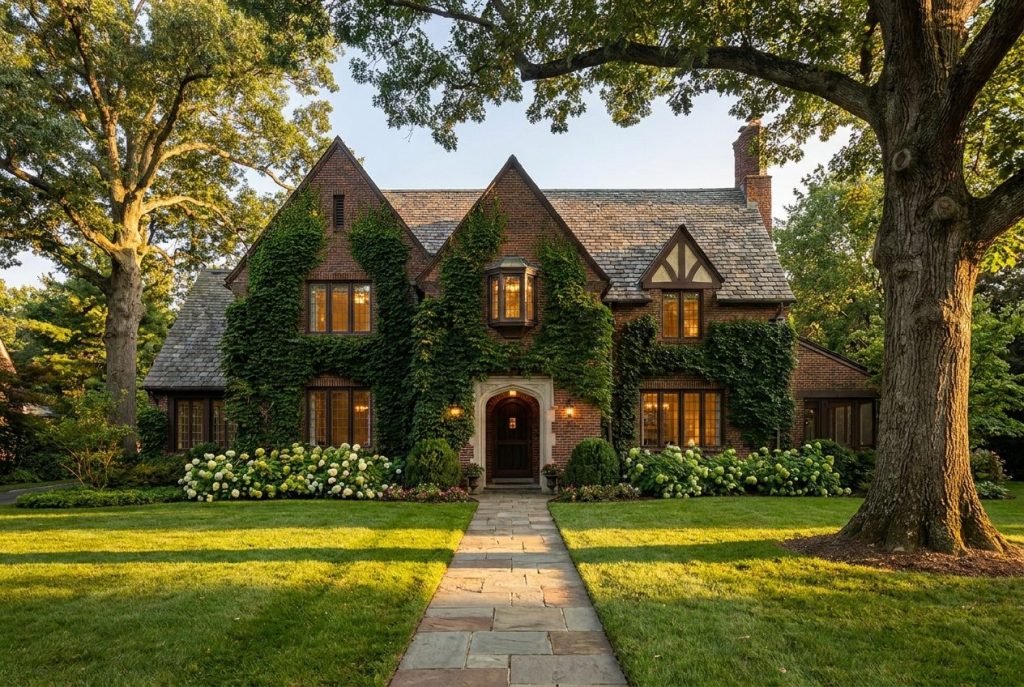
What Can Affect Your Bucks County Home’s Value?

Many homeowners focus primarily on square footage, but market value involves several interacting factors.

Location and School District

Buyer demand can vary between municipalities, school districts, neighborhoods, and even individual streets. Access to employment centers, shopping, parks, transportation, and community amenities may also influence demand.

Condition and Quality

A well-maintained home may compete differently from a property requiring significant repairs. Appraisers consider both the overall condition and the quality of materials and improvements.

Renovations

Kitchen remodeling, bathroom improvements, roofing, HVAC replacement, additions, and finished basements may affect value. However, renovation cost does not always equal added market value.

A $50,000 improvement does not automatically increase a property’s value by $50,000. The effect depends on quality, buyer preferences, neighborhood expectations, and how the local market responds to that improvement.

Lot and Site Characteristics

Lot size is important, but usability also matters. Shape, topography, access, utilities, drainage, flood exposure, easements, and zoning can influence how buyers view the property.

Comparable Sales

Recent sales of similar properties provide important market evidence. The appraiser considers whether each sale is genuinely comparable and makes appropriate adjustments when necessary.

Current Market Conditions

Interest rates, inventory, buyer demand, marketing time, and price trends can change. A value opinion should reflect market conditions applicable to the appraisal’s effective date.

How to Prepare for a Home Appraisal

You do not need to completely renovate your home before an appraisal. However, accurate information and reasonable access can help the process go smoothly.

Before the appointment:

  • Make all rooms and property areas accessible
  • Secure pets
  • Gather a list of significant renovations
  • Include approximate completion dates for improvements
  • Provide permits or invoices when available
  • Identify additions or finished areas
  • Share relevant surveys, floor plans, or prior reports
  • Explain any unusual property features
  • Avoid pressuring the appraiser about the desired value

Cleanliness alone does not determine market value, but a clear and accessible property makes it easier for the appraiser to observe its features and condition.

Estate appraisal inspection – single family home, Bucks County PA

Online Home Estimate vs. Professional Appraisal

Automated estimates can be convenient, but they have important limitations.

Online estimateProfessional residential appraisal
Primarily uses available digital and public dataIncludes property-specific research and professional analysis
May contain inaccurate property informationAllows the appraiser to verify relevant characteristics
May not recognize renovation qualityConsiders the observed quality and condition of improvements
Often applies a generalized modelSelects and analyzes relevant comparable sales
Usually unsuitable for legal proceedingsCan be prepared for legal, estate, tax, or private purposes
Provides limited explanationIncludes a documented and supportable value conclusion

An online estimate may be useful for general curiosity. When the value will influence a financial or legal decision, a professional appraisal provides a stronger and more transparent foundation.
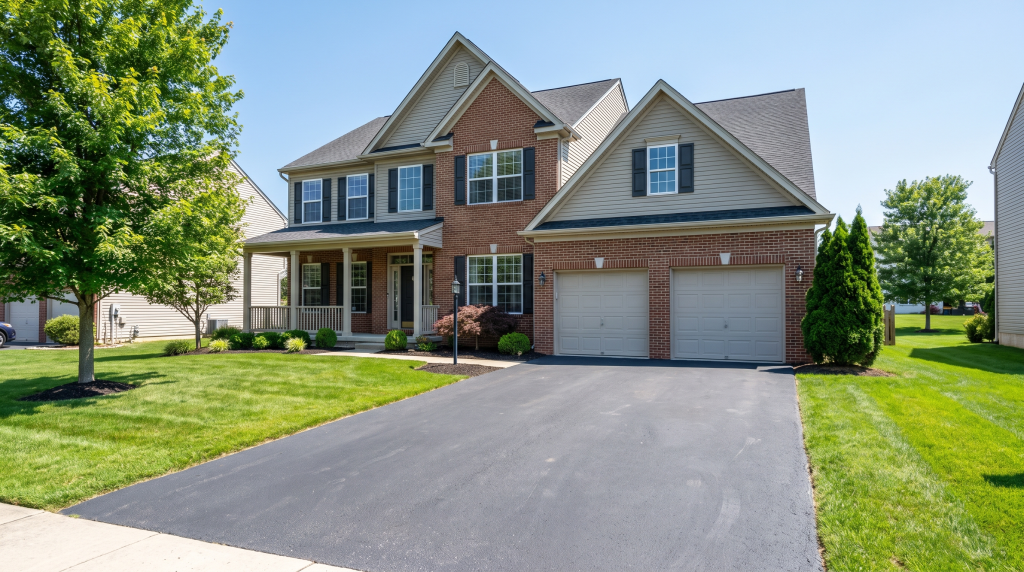
Choosing a Residential Appraiser in Bucks County, PA

Before hiring an appraiser, consider asking:

  1. Are you licensed or certified in Pennsylvania?
  2. Do you have experience in the property’s Bucks County market?
  3. Have you completed appraisals for this intended use?
  4. What type of report will be provided?
  5. What is included in the fee?
  6. What is the expected turnaround time?
  7. Can you complete a retrospective valuation if required?
  8. Are attorney consultation, deposition, or testimony billed separately?

For legal, estate, divorce, or tax matters, choose an appraiser who understands the additional documentation and analysis those assignments may require.

Frequently Asked Questions

How long does a residential appraisal take?

The inspection itself may take approximately 30 minutes to several hours, depending on the size and complexity of the property. Report completion time varies based on the assignment, availability of market data, and the appraiser’s schedule.

Is an appraisal the same as a home inspection?

No. A home inspection focuses primarily on defects, systems, maintenance issues, and safety concerns. An appraisal develops an opinion of the property’s market value.

Can a homeowner order an appraisal directly?

Yes, homeowners can order private appraisals for pre-listing, estate planning, divorce, cash purchases, tax appeals, and other non-lending purposes. For a mortgage transaction, the lender may need to order the appraisal through its own approved process.

Does a higher tax assessment mean a higher appraised value?

Not necessarily. A tax assessment and an independent appraisal serve different purposes and may use different effective dates and valuation procedures.

Can an appraiser guarantee a specific value?

No. A credible appraiser provides an independent opinion supported by market evidence. The value should not be predetermined by the homeowner, attorney, lender, buyer, or seller.

Do renovations always increase appraised value?

Renovations may contribute to value, but the increase is not automatically equal to the project’s cost. The appraiser considers how buyers in the local market respond to the improvement.

Get an Independent Residential Appraisal in Bucks County

A well-supported residential appraisal can provide clarity when an important financial, personal, or legal decision depends on a property’s value.

Washington Appraisal Group provides residential appraisal services for homeowners, buyers, sellers, attorneys, real estate professionals, and lenders throughout Bucks County and Eastern Pennsylvania. Services include divorce and family-law appraisals, estate and probate valuations, date-of-death appraisals, pre-listing valuations, cash-purchase appraisals, refinance assignments, property tax appeals, and other private appraisal needs.

If you need a certified residential appraiser in Bucks County, PA, contact Washington Appraisal Group to discuss the property, purpose of the appraisal, estimated fee, and expected turnaround time.

Call or text: 267-995-0425

Request an appraisal: https://washingtonappraisalgroup.com/order-an-appraisal/

Residential Appraiser in Bucks County, PA: What Homeowners Need to Know

Whether you are preparing to sell a home, settling an estate, going through a divorce, refinancing, or making a cash purchase, knowing the property’s true market value can help you make a confident decision. An online estimate may provide a quick number, but it cannot fully account for a home’s condition, improvements, location, lot characteristics, or the quality of nearby comparable sales.

A qualified residential appraiser in Bucks County, PA provides an independent, professionally supported opinion of value based on the property and its local market. The resulting appraisal report can be used by homeowners, attorneys, executors, buyers, sellers, real estate professionals, and lenders when an accurate value matters.

Bucks County includes a wide range of housing markets—from established neighborhoods in Levittown and Langhorne to historic homes in Newtown, riverfront properties near Yardley and New Hope, suburban communities around Doylestown, and larger rural properties in Upper Bucks. Because these markets are not interchangeable, local knowledge is an important part of a credible residential appraisal.

What Does a Residential Appraiser Do?

A residential real estate appraiser develops an impartial opinion of a property’s market value. The appraiser does not simply look at an automated estimate or average neighborhood price. Instead, the process normally includes researching the property, inspecting relevant features, studying market activity, selecting comparable sales, making supported adjustments, and preparing a written report.

During an appraisal, the appraiser may consider:

  • Property location and neighborhood influences
  • Living area and functional layout
  • Number of bedrooms and bathrooms
  • Overall condition and quality of construction
  • Renovations, updates, and deferred maintenance
  • Lot size, topography, and utility
  • Garage, basement, porch, patio, and outbuildings
  • Public water and sewer versus well and septic
  • Flood-zone or riverfront influence
  • Recent comparable sales
  • Current market conditions
  • The intended use and effective date of the appraisal

Two homes with similar square footage can have significantly different values because of condition, school district, lot characteristics, improvements, location, and buyer demand. A professional appraisal explains how those differences affect the final opinion of value.

When Might You Need a Residential Appraisal?

Many people associate an appraisal only with a mortgage, but homeowners and professionals request private appraisals for many different reasons.

Divorce and Family-Law Matters

Real estate is often one of the largest assets involved in a divorce. A neutral appraisal can help establish a supported value for negotiation, mediation, equitable distribution, or litigation.

Depending on the matter, the appraiser may be asked to determine the home’s current value or its value as of a previous date, such as a date of separation. A retrospective appraisal usually requires additional historical research and analysis.

Estate and Probate Planning

An estate appraisal may be needed to establish a property’s value for probate, inheritance, tax reporting, asset distribution, or a potential sale. A date-of-death appraisal determines what the property was worth as of the owner’s date of death rather than its value today.

Because market conditions can change, the effective date must be clearly identified before the assignment begins.

Pre-Listing Decisions

A pre-listing appraisal can help a homeowner understand the property’s likely market value before choosing an asking price. It may be especially helpful when the home is unusual, extensively renovated, located in a neighborhood with limited comparable sales, or difficult to price using only an automated estimate.

An appraisal does not replace a real estate agent’s marketing strategy, but it can provide an independent valuation to support pricing discussions.

Cash Purchases and Private Sales

A cash buyer may not have a lender requiring an appraisal. That does not mean an appraisal is unnecessary. An independent appraisal can help a cash buyer determine whether the agreed price is supported by the market.

Private sales between relatives, business partners, landlords, tenants, or neighbors may also benefit from a neutral valuation.

Refinancing and Home-Equity Decisions

Lenders frequently require appraisals for refinancing, home-equity loans, HELOCs, and other lending decisions. The lender generally controls the appraisal-ordering process for a lending transaction, so homeowners should speak with their lender before independently ordering a report for this purpose.

Property-Tax Appeals

If a property owner believes an assessment does not fairly reflect the property’s market value, a professional appraisal may provide useful evidence for a tax-assessment appeal.

The appraisal fee is separate from any county filing fee. Property owners should check the current requirements, deadlines, and evidence rules with the Bucks County Board of Assessment Appeals before beginning the process.

How Much Does a Home Appraisal Cost in Bucks County, PA?

There is no single price for every residential appraisal. The fee can depend on the size and complexity of the property, the intended use of the report, the effective valuation date, the availability of comparable sales, and whether additional legal support is required.

The following ranges are general planning estimates, not a fee schedule or guaranteed quote.

Type of appraisalGeneral planning rangeFactors that may affect the fee
Standard single-family home appraisal$350–$650Property size, condition, location, and availability of comparable sales
Condominium or townhouse appraisal$350–$650Unit differences, HOA information, and comparable sales
Large, custom, rural, or luxury home$600–$1,500+Acreage, unique improvements, outbuildings, and limited comparable properties
Two-to-four-unit residential property$600–$1,200+Rental data, income analysis, and inspection complexity
Estate or date-of-death appraisalCustom quoteHistorical effective date, research requirements, and report purpose
Divorce or retrospective appraisalCustom quoteCourt-ready documentation, historical research, and legal complexity
Property-tax appeal appraisalCustom quoteAssessment records, appeal requirements, market evidence, and deadlines
Expert testimony or depositionSeparate feePreparation time, travel, deposition, hearing, or courtroom appearance

A routine appraisal of a typical home with several strong comparable sales will generally require less time than an appraisal of a historic property, riverfront home, custom-built residence, multi-unit property, or house on a large parcel.

Before hiring an appraiser, ask what the quoted fee includes. Confirm whether it covers the property inspection, research, final report, delivery time, and reasonable follow-up questions. Depositions, mediation participation, court appearances, rush delivery, or extensive revisions may carry separate fees.

Why Local Bucks County Experience Matters

Real estate values can change considerably from one Bucks County community to another. Even nearby neighborhoods may have different buyer demand, school-district influences, housing styles, lot sizes, taxes, and access to major transportation routes.

For example, the appraisal considerations for a Levittown home may differ from those for:

  • A historic property in Newtown
  • A river-influenced home near Yardley
  • A custom residence in New Hope
  • A suburban property near Doylestown
  • A larger rural parcel in Upper Bucks
  • A condominium or townhouse in Lower Bucks
  • A home served by well and septic
  • A property affected by easements or flood exposure

A Bucks County residential appraiser should understand which areas and properties truly compete with the subject property. Choosing comparable sales only because they are geographically close can lead to a misleading conclusion if those properties appeal to a different group of buyers.

What Happens During a Residential Appraisal?

Although every assignment is different, the process typically follows several steps.

1. Define the Appraisal Assignment

The appraiser first confirms the property, intended use, intended users, property rights being valued, and effective date. This step is especially important for divorce, estate, retrospective, and tax-appeal assignments.

2. Research the Property

The appraiser reviews available public records, tax data, prior sales, property characteristics, maps, zoning information, and other relevant sources.

3. Inspect the Property

During the inspection, the appraiser observes and documents the property’s condition, layout, quality, features, improvements, and other characteristics relevant to value.

An appraisal inspection is not the same as a home inspection. A home inspector

নিচের blog-টি সরাসরি website-এ publish করতে পারবেন। Cost figures estimated planning ranges—Washington Appraisal Group-এর actual fee অনুযায়ী publish করার আগে প্রয়োজনে পরিবর্তন করবেন।

SEO Title: Residential Appraiser Bucks County PA | Costs & Services

Meta Description: Looking for a residential appraiser in Bucks County, PA? Learn about appraisal costs, the process, property value factors, and when to order a professional home appraisal.

Suggested URL: /residential-appraiser-bucks-county-pa/

Primary Keyword: residential appraiser Bucks County PA

Secondary Keywords: home appraiser Bucks County PA, real estate appraiser Bucks County, residential appraisal Bucks County, home appraisal cost Bucks County PA

Residential Appraiser in Bucks County, PA: What Homeowners Need to Know

Whether you are preparing to sell a home, settling an estate, going through a divorce, purchasing property with cash, or questioning a property tax assessment, an accurate home value can make a major difference in your next decision.

Online estimates can offer a quick starting point, but they cannot fully account for a home’s condition, improvements, location, lot characteristics, or the differences between individual neighborhoods. A certified residential appraiser provides an independent, professionally supported opinion of value based on the property itself and relevant local market data.

If you are searching for a residential appraiser in Bucks County, PA, this guide explains when an appraisal may be useful, what the process involves, how much an appraisal may cost, and what factors influence a home’s value.

What Does a Residential Appraiser Do?

A residential appraiser develops an independent opinion of a property’s market value. Unlike an automated valuation tool, an appraiser does not rely only on general neighborhood averages or public records.

The appraiser evaluates the individual property, researches comparable sales, studies current market conditions, and explains how the available evidence supports the final value conclusion.

A residential appraisal may include an analysis of:

  • The property’s location and surrounding neighborhood
  • Above-grade living area
  • Lot size and usability
  • Number of bedrooms and bathrooms
  • Age, design, and construction quality
  • Overall condition and maintenance
  • Renovations and recent improvements
  • Garage, basement, pool, or outbuildings
  • Public utilities, septic systems, and private wells
  • Recent comparable sales
  • Current local market conditions
  • Property-specific features that may influence buyer demand

The final report should provide more than a number. It should explain the data, comparable properties, adjustments, and valuation methods used to reach the conclusion.

Why Local Bucks County Experience Matters

Bucks County is not one uniform real estate market. Property types, buyer demand, school districts, lot sizes, access to transportation, and neighborhood characteristics can vary considerably from one community to another.

A home in Doylestown may compete with a different group of properties than a home in Levittown. New construction in Newtown cannot automatically be compared with an older river-area property in New Hope. Homes in Yardley, Langhorne, Richboro, Quakertown, Bensalem, and other Bucks County communities may each require a different approach to comparable-sale selection.

Local knowledge becomes especially important when a property includes:

  • A large or unusual lot
  • Historic architecture
  • Extensive renovations
  • A finished basement
  • A swimming pool
  • Agricultural or preserved land
  • Septic and well systems
  • Flood-zone considerations
  • River or scenic views
  • Multiple buildings or outbuildings
  • Limited nearby comparable sales

An appraiser familiar with Bucks County can recognize these differences and determine which sales are genuinely relevant to the subject property.

When Should You Order a Residential Appraisal?

A home appraisal can be valuable in many situations—not only when a mortgage lender requires one.

Divorce and Family-Law Matters

Real estate is often one of the largest assets involved in a divorce. An independent appraisal can help establish a supportable market value for settlement discussions, mediation, equitable distribution, or court proceedings.

Some cases also require a retrospective appraisal, which determines what the property was worth on a specific date in the past, such as the date of separation.

Estate and Probate Planning

Executors, beneficiaries, attorneys, and accountants may need an appraisal to establish a property’s value for estate administration, inheritance planning, distribution among heirs, or tax-related documentation.

A date-of-death appraisal estimates the property’s value as of the owner’s date of death rather than its value on the inspection date.

Pre-Listing Decisions

Before putting a home on the market, an independent appraisal can help a homeowner understand a reasonable market value. This can be particularly helpful for unique properties, private sales, inherited homes, or situations where pricing opinions vary significantly.

Cash Purchases and Private Sales

Cash transactions may not automatically include a lender appraisal. A buyer can order an independent appraisal to determine whether the agreed purchase price is reasonably supported by the market.

Sellers involved in an off-market or private transaction may also benefit from knowing the property’s value before negotiating.

Refinance and Home Equity Lending

Banks, credit unions, mortgage companies, and other lenders may require an appraisal for a refinance, home equity loan, HELOC, or purchase transaction.

The lender generally controls the appraisal-ordering process when the report will be used for a lending decision. Homeowners should confirm the lender’s requirements before ordering an appraisal independently.

Property Tax Assessment Appeals

If a homeowner believes a tax assessment does not fairly reflect the property’s value, a professional appraisal may provide useful evidence for an assessment appeal.

An appraisal does not guarantee a reduction. However, it can present a documented value conclusion supported by market evidence. Bucks County establishes its own filing deadlines, fees, forms, and evidence requirements, so property owners should verify the current rules with the Bucks County Board of Assessment Appeals.

Partition and Other Legal Matters

A residential appraisal may also be needed when co-owners disagree about the sale or division of a property. Attorneys may use a professionally prepared appraisal during partition actions, settlement discussions, mediation, or litigation.

How Much Does a Home Appraisal Cost in Bucks County, PA?

There is no single fixed price for every residential appraisal. Fees depend on the property, intended use, required report, research involved, and complexity of the assignment.

The following figures are general planning estimates, not guaranteed quotes.

Type of appraisalEstimated planning rangeWhat may affect the fee
Standard single-family home appraisal$400–$650Property size, location, condition, and availability of comparable sales
Condominium or townhome appraisal$400–$650Comparable units, HOA information, and development complexity
Large, luxury, or custom home$650–$1,500+Unique construction, acreage, amenities, and limited comparable sales
Two-to-four-unit residential property$700–$1,500+Rental data, income analysis, and inspection of multiple units
Estate or date-of-death appraisalCustom quoteHistorical effective date, research requirements, and number of properties
Divorce or litigation-related appraisalCustom quoteRetrospective analysis, report requirements, attorney communication, or testimony
Property tax appeal appraisalCustom quoteAssessment year, hearing requirements, evidence, and assignment complexity

Standard residential appraisals are often less expensive than complex legal or retrospective assignments. A unique property, historical valuation date, lack of comparable sales, or requirement for deposition or court testimony can increase the amount of research and reporting required.

Before hiring an appraiser, ask what is included in the quoted fee. The least expensive quote is not always the best option, especially when the appraisal will be used for an estate, divorce, tax appeal, or legal proceeding.

What Happens During a Residential Appraisal?

Although every assignment is different, the process generally includes the following steps.

1. Defining the Purpose of the Appraisal

The appraiser first needs to understand why the appraisal is being ordered. A pre-listing appraisal, lender appraisal, divorce appraisal, and date-of-death valuation may each require a different scope of work.

The intended use, intended users, property rights, and effective date of value must be identified before the assignment begins.

2. Property Inspection

When an interior and exterior inspection is required, the appraiser observes the property’s layout, condition, quality, features, and improvements.

The inspection is not the same as a home inspection. A home inspector primarily searches for physical defects and safety concerns. A real estate appraiser focuses on the property characteristics that influence market value.

3. Market Research

The appraiser researches sales and market activity involving properties that are reasonably similar to the subject.

Comparable sales may be analyzed based on:

  • Location
  • Sale date
  • Property type
  • Living area
  • Lot size
  • Condition
  • Renovations
  • Design
  • Amenities
  • Overall market appeal

The nearest sale is not always the best comparable. A sale farther away may be more relevant if it is more similar in design, size, age, condition, or neighborhood characteristics.

4. Adjustments and Valuation Analysis

Because no two properties are exactly the same, the appraiser may make market-supported adjustments for meaningful differences between the subject and comparable sales.

The appraiser then reconciles the available evidence into a final opinion of value.

5. Appraisal Report Delivery

The completed report explains the property, market, comparable sales, adjustments, assumptions, and final value conclusion. The report format and level of detail depend on the assignment’s intended use.

What Can Affect Your Bucks County Home’s Value?

Many homeowners focus primarily on square footage, but market value involves several interacting factors.

Location and School District

Buyer demand can vary between municipalities, school districts, neighborhoods, and even individual streets. Access to employment centers, shopping, parks, transportation, and community amenities may also influence demand.

Condition and Quality

A well-maintained home may compete differently from a property requiring significant repairs. Appraisers consider both the overall condition and the quality of materials and improvements.

Renovations

Kitchen remodeling, bathroom improvements, roofing, HVAC replacement, additions, and finished basements may affect value. However, renovation cost does not always equal added market value.

A $50,000 improvement does not automatically increase a property’s value by $50,000. The effect depends on quality, buyer preferences, neighborhood expectations, and how the local market responds to that improvement.

Lot and Site Characteristics

Lot size is important, but usability also matters. Shape, topography, access, utilities, drainage, flood exposure, easements, and zoning can influence how buyers view the property.

Comparable Sales

Recent sales of similar properties provide important market evidence. The appraiser considers whether each sale is genuinely comparable and makes appropriate adjustments when necessary.

Current Market Conditions

Interest rates, inventory, buyer demand, marketing time, and price trends can change. A value opinion should reflect market conditions applicable to the appraisal’s effective date.

How to Prepare for a Home Appraisal

You do not need to completely renovate your home before an appraisal. However, accurate information and reasonable access can help the process go smoothly.

Before the appointment:

  • Make all rooms and property areas accessible
  • Secure pets
  • Gather a list of significant renovations
  • Include approximate completion dates for improvements
  • Provide permits or invoices when available
  • Identify additions or finished areas
  • Share relevant surveys, floor plans, or prior reports
  • Explain any unusual property features
  • Avoid pressuring the appraiser about the desired value

Cleanliness alone does not determine market value, but a clear and accessible property makes it easier for the appraiser to observe its features and condition.

Online Home Estimate vs. Professional Appraisal

Automated estimates can be convenient, but they have important limitations.

Online estimateProfessional residential appraisal
Primarily uses available digital and public dataIncludes property-specific research and professional analysis
May contain inaccurate property informationAllows the appraiser to verify relevant characteristics
May not recognize renovation qualityConsiders the observed quality and condition of improvements
Often applies a generalized modelSelects and analyzes relevant comparable sales
Usually unsuitable for legal proceedingsCan be prepared for legal, estate, tax, or private purposes
Provides limited explanationIncludes a documented and supportable value conclusion

An online estimate may be useful for general curiosity. When the value will influence a financial or legal decision, a professional appraisal provides a stronger and more transparent foundation.

Choosing a Residential Appraiser in Bucks County, PA

Before hiring an appraiser, consider asking:

  1. Are you licensed or certified in Pennsylvania?
  2. Do you have experience in the property’s Bucks County market?
  3. Have you completed appraisals for this intended use?
  4. What type of report will be provided?
  5. What is included in the fee?
  6. What is the expected turnaround time?
  7. Can you complete a retrospective valuation if required?
  8. Are attorney consultation, deposition, or testimony billed separately?

For legal, estate, divorce, or tax matters, choose an appraiser who understands the additional documentation and analysis those assignments may require.

Frequently Asked Questions

How long does a residential appraisal take?

The inspection itself may take approximately 30 minutes to several hours, depending on the size and complexity of the property. Report completion time varies based on the assignment, availability of market data, and the appraiser’s schedule.

Is an appraisal the same as a home inspection?

No. A home inspection focuses primarily on defects, systems, maintenance issues, and safety concerns. An appraisal develops an opinion of the property’s market value.

Can a homeowner order an appraisal directly?

Yes, homeowners can order private appraisals for pre-listing, estate planning, divorce, cash purchases, tax appeals, and other non-lending purposes. For a mortgage transaction, the lender may need to order the appraisal through its own approved process.

Does a higher tax assessment mean a higher appraised value?

Not necessarily. A tax assessment and an independent appraisal serve different purposes and may use different effective dates and valuation procedures.

Can an appraiser guarantee a specific value?

No. A credible appraiser provides an independent opinion supported by market evidence. The value should not be predetermined by the homeowner, attorney, lender, buyer, or seller.

Do renovations always increase appraised value?

Renovations may contribute to value, but the increase is not automatically equal to the project’s cost. The appraiser considers how buyers in the local market respond to the improvement.

Get an Independent Residential Appraisal in Bucks County

A well-supported residential appraisal can provide clarity when an important financial, personal, or legal decision depends on a property’s value.

Washington Appraisal Group provides residential appraisal services for homeowners, buyers, sellers, attorneys, real estate professionals, and lenders throughout Bucks County and Eastern Pennsylvania. Services include divorce and family-law appraisals, estate and probate valuations, date-of-death appraisals, pre-listing valuations, cash-purchase appraisals, refinance assignments, property tax appeals, and other private appraisal needs.

If you need a certified residential appraiser in Bucks County, PA, contact Washington Appraisal Group to discuss the property, purpose of the appraisal, estimated fee, and expected turnaround time.

Call or text: 267-995-0425

Request an appraisal: https://washingtonappraisalgroup.com/order-an-appraisal/

Residential Appraiser in Bucks County, PA: What Homeowners Need to Know

Whether you are preparing to sell a home, settling an estate, going through a divorce, refinancing, or making a cash purchase, knowing the property’s true market value can help you make a confident decision. An online estimate may provide a quick number, but it cannot fully account for a home’s condition, improvements, location, lot characteristics, or the quality of nearby comparable sales.

A qualified residential appraiser in Bucks County, PA provides an independent, professionally supported opinion of value based on the property and its local market. The resulting appraisal report can be used by homeowners, attorneys, executors, buyers, sellers, real estate professionals, and lenders when an accurate value matters.

Bucks County includes a wide range of housing markets—from established neighborhoods in Levittown and Langhorne to historic homes in Newtown, riverfront properties near Yardley and New Hope, suburban communities around Doylestown, and larger rural properties in Upper Bucks. Because these markets are not interchangeable, local knowledge is an important part of a credible residential appraisal.

What Does a Residential Appraiser Do?

A residential real estate appraiser develops an impartial opinion of a property’s market value. The appraiser does not simply look at an automated estimate or average neighborhood price. Instead, the process normally includes researching the property, inspecting relevant features, studying market activity, selecting comparable sales, making supported adjustments, and preparing a written report.

During an appraisal, the appraiser may consider:

  • Property location and neighborhood influences
  • Living area and functional layout
  • Number of bedrooms and bathrooms
  • Overall condition and quality of construction
  • Renovations, updates, and deferred maintenance
  • Lot size, topography, and utility
  • Garage, basement, porch, patio, and outbuildings
  • Public water and sewer versus well and septic
  • Flood-zone or riverfront influence
  • Recent comparable sales
  • Current market conditions
  • The intended use and effective date of the appraisal

Two homes with similar square footage can have significantly different values because of condition, school district, lot characteristics, improvements, location, and buyer demand. A professional appraisal explains how those differences affect the final opinion of value.

When Might You Need a Residential Appraisal?

Many people associate an appraisal only with a mortgage, but homeowners and professionals request private appraisals for many different reasons.

Divorce and Family-Law Matters

Real estate is often one of the largest assets involved in a divorce. A neutral appraisal can help establish a supported value for negotiation, mediation, equitable distribution, or litigation.

Depending on the matter, the appraiser may be asked to determine the home’s current value or its value as of a previous date, such as a date of separation. A retrospective appraisal usually requires additional historical research and analysis.

Estate and Probate Planning

An estate appraisal may be needed to establish a property’s value for probate, inheritance, tax reporting, asset distribution, or a potential sale. A date-of-death appraisal determines what the property was worth as of the owner’s date of death rather than its value today.

Because market conditions can change, the effective date must be clearly identified before the assignment begins.

Pre-Listing Decisions

A pre-listing appraisal can help a homeowner understand the property’s likely market value before choosing an asking price. It may be especially helpful when the home is unusual, extensively renovated, located in a neighborhood with limited comparable sales, or difficult to price using only an automated estimate.

An appraisal does not replace a real estate agent’s marketing strategy, but it can provide an independent valuation to support pricing discussions.

Cash Purchases and Private Sales

A cash buyer may not have a lender requiring an appraisal. That does not mean an appraisal is unnecessary. An independent appraisal can help a cash buyer determine whether the agreed price is supported by the market.

Private sales between relatives, business partners, landlords, tenants, or neighbors may also benefit from a neutral valuation.

Refinancing and Home-Equity Decisions

Lenders frequently require appraisals for refinancing, home-equity loans, HELOCs, and other lending decisions. The lender generally controls the appraisal-ordering process for a lending transaction, so homeowners should speak with their lender before independently ordering a report for this purpose.

Property-Tax Appeals

If a property owner believes an assessment does not fairly reflect the property’s market value, a professional appraisal may provide useful evidence for a tax-assessment appeal.

The appraisal fee is separate from any county filing fee. Property owners should check the current requirements, deadlines, and evidence rules with the Bucks County Board of Assessment Appeals before beginning the process.

How Much Does a Home Appraisal Cost in Bucks County, PA?

There is no single price for every residential appraisal. The fee can depend on the size and complexity of the property, the intended use of the report, the effective valuation date, the availability of comparable sales, and whether additional legal support is required.

The following ranges are general planning estimates, not a fee schedule or guaranteed quote.

Type of appraisalGeneral planning rangeFactors that may affect the fee
Standard single-family home appraisal$350–$650Property size, condition, location, and availability of comparable sales
Condominium or townhouse appraisal$350–$650Unit differences, HOA information, and comparable sales
Large, custom, rural, or luxury home$600–$1,500+Acreage, unique improvements, outbuildings, and limited comparable properties
Two-to-four-unit residential property$600–$1,200+Rental data, income analysis, and inspection complexity
Estate or date-of-death appraisalCustom quoteHistorical effective date, research requirements, and report purpose
Divorce or retrospective appraisalCustom quoteCourt-ready documentation, historical research, and legal complexity
Property-tax appeal appraisalCustom quoteAssessment records, appeal requirements, market evidence, and deadlines
Expert testimony or depositionSeparate feePreparation time, travel, deposition, hearing, or courtroom appearance

A routine appraisal of a typical home with several strong comparable sales will generally require less time than an appraisal of a historic property, riverfront home, custom-built residence, multi-unit property, or house on a large parcel.

Before hiring an appraiser, ask what the quoted fee includes. Confirm whether it covers the property inspection, research, final report, delivery time, and reasonable follow-up questions. Depositions, mediation participation, court appearances, rush delivery, or extensive revisions may carry separate fees.

Why Local Bucks County Experience Matters

Real estate values can change considerably from one Bucks County community to another. Even nearby neighborhoods may have different buyer demand, school-district influences, housing styles, lot sizes, taxes, and access to major transportation routes.

For example, the appraisal considerations for a Levittown home may differ from those for:

  • A historic property in Newtown
  • A river-influenced home near Yardley
  • A custom residence in New Hope
  • A suburban property near Doylestown
  • A larger rural parcel in Upper Bucks
  • A condominium or townhouse in Lower Bucks
  • A home served by well and septic
  • A property affected by easements or flood exposure

A Bucks County residential appraiser should understand which areas and properties truly compete with the subject property. Choosing comparable sales only because they are geographically close can lead to a misleading conclusion if those properties appeal to a different group of buyers.

What Happens During a Residential Appraisal?

Although every assignment is different, the process typically follows several steps.

1. Define the Appraisal Assignment

The appraiser first confirms the property, intended use, intended users, property rights being valued, and effective date. This step is especially important for divorce, estate, retrospective, and tax-appeal assignments.

2. Research the Property

The appraiser reviews available public records, tax data, prior sales, property characteristics, maps, zoning information, and other relevant sources.

3. Inspect the Property

During the inspection, the appraiser observes and documents the property’s condition, layout, quality, features, improvements, and other characteristics relevant to value.

An appraisal inspection is not the same as a home inspection. A home inspector

নিচের blog-টি সরাসরি website-এ publish করতে পারবেন। Cost figures estimated planning ranges—Washington Appraisal Group-এর actual fee অনুযায়ী publish করার আগে প্রয়োজনে পরিবর্তন করবেন।

SEO Title: Residential Appraiser Bucks County PA | Costs & Services

Meta Description: Looking for a residential appraiser in Bucks County, PA? Learn about appraisal costs, the process, property value factors, and when to order a professional home appraisal.

Suggested URL: /residential-appraiser-bucks-county-pa/

Primary Keyword: residential appraiser Bucks County PA

Secondary Keywords: home appraiser Bucks County PA, real estate appraiser Bucks County, residential appraisal Bucks County, home appraisal cost Bucks County PA

Residential Appraiser in Bucks County, PA: What Homeowners Need to Know

Whether you are preparing to sell a home, settling an estate, going through a divorce, purchasing property with cash, or questioning a property tax assessment, an accurate home value can make a major difference in your next decision.

Online estimates can offer a quick starting point, but they cannot fully account for a home’s condition, improvements, location, lot characteristics, or the differences between individual neighborhoods. A certified residential appraiser provides an independent, professionally supported opinion of value based on the property itself and relevant local market data.

If you are searching for a residential appraiser in Bucks County, PA, this guide explains when an appraisal may be useful, what the process involves, how much an appraisal may cost, and what factors influence a home’s value.

What Does a Residential Appraiser Do?

A residential appraiser develops an independent opinion of a property’s market value. Unlike an automated valuation tool, an appraiser does not rely only on general neighborhood averages or public records.

The appraiser evaluates the individual property, researches comparable sales, studies current market conditions, and explains how the available evidence supports the final value conclusion.

A residential appraisal may include an analysis of:

  • The property’s location and surrounding neighborhood
  • Above-grade living area
  • Lot size and usability
  • Number of bedrooms and bathrooms
  • Age, design, and construction quality
  • Overall condition and maintenance
  • Renovations and recent improvements
  • Garage, basement, pool, or outbuildings
  • Public utilities, septic systems, and private wells
  • Recent comparable sales
  • Current local market conditions
  • Property-specific features that may influence buyer demand

The final report should provide more than a number. It should explain the data, comparable properties, adjustments, and valuation methods used to reach the conclusion.

Why Local Bucks County Experience Matters

Bucks County is not one uniform real estate market. Property types, buyer demand, school districts, lot sizes, access to transportation, and neighborhood characteristics can vary considerably from one community to another.

A home in Doylestown may compete with a different group of properties than a home in Levittown. New construction in Newtown cannot automatically be compared with an older river-area property in New Hope. Homes in Yardley, Langhorne, Richboro, Quakertown, Bensalem, and other Bucks County communities may each require a different approach to comparable-sale selection.

Local knowledge becomes especially important when a property includes:

  • A large or unusual lot
  • Historic architecture
  • Extensive renovations
  • A finished basement
  • A swimming pool
  • Agricultural or preserved land
  • Septic and well systems
  • Flood-zone considerations
  • River or scenic views
  • Multiple buildings or outbuildings
  • Limited nearby comparable sales

An appraiser familiar with Bucks County can recognize these differences and determine which sales are genuinely relevant to the subject property.

When Should You Order a Residential Appraisal?

A home appraisal can be valuable in many situations—not only when a mortgage lender requires one.

Divorce and Family-Law Matters

Real estate is often one of the largest assets involved in a divorce. An independent appraisal can help establish a supportable market value for settlement discussions, mediation, equitable distribution, or court proceedings.

Some cases also require a retrospective appraisal, which determines what the property was worth on a specific date in the past, such as the date of separation.

Estate and Probate Planning

Executors, beneficiaries, attorneys, and accountants may need an appraisal to establish a property’s value for estate administration, inheritance planning, distribution among heirs, or tax-related documentation.

A date-of-death appraisal estimates the property’s value as of the owner’s date of death rather than its value on the inspection date.

Pre-Listing Decisions

Before putting a home on the market, an independent appraisal can help a homeowner understand a reasonable market value. This can be particularly helpful for unique properties, private sales, inherited homes, or situations where pricing opinions vary significantly.

Cash Purchases and Private Sales

Cash transactions may not automatically include a lender appraisal. A buyer can order an independent appraisal to determine whether the agreed purchase price is reasonably supported by the market.

Sellers involved in an off-market or private transaction may also benefit from knowing the property’s value before negotiating.

Refinance and Home Equity Lending

Banks, credit unions, mortgage companies, and other lenders may require an appraisal for a refinance, home equity loan, HELOC, or purchase transaction.

The lender generally controls the appraisal-ordering process when the report will be used for a lending decision. Homeowners should confirm the lender’s requirements before ordering an appraisal independently.

Property Tax Assessment Appeals

If a homeowner believes a tax assessment does not fairly reflect the property’s value, a professional appraisal may provide useful evidence for an assessment appeal.

An appraisal does not guarantee a reduction. However, it can present a documented value conclusion supported by market evidence. Bucks County establishes its own filing deadlines, fees, forms, and evidence requirements, so property owners should verify the current rules with the Bucks County Board of Assessment Appeals.

Partition and Other Legal Matters

A residential appraisal may also be needed when co-owners disagree about the sale or division of a property. Attorneys may use a professionally prepared appraisal during partition actions, settlement discussions, mediation, or litigation.

How Much Does a Home Appraisal Cost in Bucks County, PA?

There is no single fixed price for every residential appraisal. Fees depend on the property, intended use, required report, research involved, and complexity of the assignment.

The following figures are general planning estimates, not guaranteed quotes.

Type of appraisalEstimated planning rangeWhat may affect the fee
Standard single-family home appraisal$400–$650Property size, location, condition, and availability of comparable sales
Condominium or townhome appraisal$400–$650Comparable units, HOA information, and development complexity
Large, luxury, or custom home$650–$1,500+Unique construction, acreage, amenities, and limited comparable sales
Two-to-four-unit residential property$700–$1,500+Rental data, income analysis, and inspection of multiple units
Estate or date-of-death appraisalCustom quoteHistorical effective date, research requirements, and number of properties
Divorce or litigation-related appraisalCustom quoteRetrospective analysis, report requirements, attorney communication, or testimony
Property tax appeal appraisalCustom quoteAssessment year, hearing requirements, evidence, and assignment complexity

Standard residential appraisals are often less expensive than complex legal or retrospective assignments. A unique property, historical valuation date, lack of comparable sales, or requirement for deposition or court testimony can increase the amount of research and reporting required.

Before hiring an appraiser, ask what is included in the quoted fee. The least expensive quote is not always the best option, especially when the appraisal will be used for an estate, divorce, tax appeal, or legal proceeding.

What Happens During a Residential Appraisal?

Although every assignment is different, the process generally includes the following steps.

1. Defining the Purpose of the Appraisal

The appraiser first needs to understand why the appraisal is being ordered. A pre-listing appraisal, lender appraisal, divorce appraisal, and date-of-death valuation may each require a different scope of work.

The intended use, intended users, property rights, and effective date of value must be identified before the assignment begins.

2. Property Inspection

When an interior and exterior inspection is required, the appraiser observes the property’s layout, condition, quality, features, and improvements.

The inspection is not the same as a home inspection. A home inspector primarily searches for physical defects and safety concerns. A real estate appraiser focuses on the property characteristics that influence market value.

3. Market Research

The appraiser researches sales and market activity involving properties that are reasonably similar to the subject.

Comparable sales may be analyzed based on:

  • Location
  • Sale date
  • Property type
  • Living area
  • Lot size
  • Condition
  • Renovations
  • Design
  • Amenities
  • Overall market appeal

The nearest sale is not always the best comparable. A sale farther away may be more relevant if it is more similar in design, size, age, condition, or neighborhood characteristics.

4. Adjustments and Valuation Analysis

Because no two properties are exactly the same, the appraiser may make market-supported adjustments for meaningful differences between the subject and comparable sales.

The appraiser then reconciles the available evidence into a final opinion of value.

5. Appraisal Report Delivery

The completed report explains the property, market, comparable sales, adjustments, assumptions, and final value conclusion. The report format and level of detail depend on the assignment’s intended use.

What Can Affect Your Bucks County Home’s Value?

Many homeowners focus primarily on square footage, but market value involves several interacting factors.

Location and School District

Buyer demand can vary between municipalities, school districts, neighborhoods, and even individual streets. Access to employment centers, shopping, parks, transportation, and community amenities may also influence demand.

Condition and Quality

A well-maintained home may compete differently from a property requiring significant repairs. Appraisers consider both the overall condition and the quality of materials and improvements.

Renovations

Kitchen remodeling, bathroom improvements, roofing, HVAC replacement, additions, and finished basements may affect value. However, renovation cost does not always equal added market value.

A $50,000 improvement does not automatically increase a property’s value by $50,000. The effect depends on quality, buyer preferences, neighborhood expectations, and how the local market responds to that improvement.

Lot and Site Characteristics

Lot size is important, but usability also matters. Shape, topography, access, utilities, drainage, flood exposure, easements, and zoning can influence how buyers view the property.

Comparable Sales

Recent sales of similar properties provide important market evidence. The appraiser considers whether each sale is genuinely comparable and makes appropriate adjustments when necessary.

Current Market Conditions

Interest rates, inventory, buyer demand, marketing time, and price trends can change. A value opinion should reflect market conditions applicable to the appraisal’s effective date.

How to Prepare for a Home Appraisal

You do not need to completely renovate your home before an appraisal. However, accurate information and reasonable access can help the process go smoothly.

Before the appointment:

  • Make all rooms and property areas accessible
  • Secure pets
  • Gather a list of significant renovations
  • Include approximate completion dates for improvements
  • Provide permits or invoices when available
  • Identify additions or finished areas
  • Share relevant surveys, floor plans, or prior reports
  • Explain any unusual property features
  • Avoid pressuring the appraiser about the desired value

Cleanliness alone does not determine market value, but a clear and accessible property makes it easier for the appraiser to observe its features and condition.

Online Home Estimate vs. Professional Appraisal

Automated estimates can be convenient, but they have important limitations.

Online estimateProfessional residential appraisal
Primarily uses available digital and public dataIncludes property-specific research and professional analysis
May contain inaccurate property informationAllows the appraiser to verify relevant characteristics
May not recognize renovation qualityConsiders the observed quality and condition of improvements
Often applies a generalized modelSelects and analyzes relevant comparable sales
Usually unsuitable for legal proceedingsCan be prepared for legal, estate, tax, or private purposes
Provides limited explanationIncludes a documented and supportable value conclusion

An online estimate may be useful for general curiosity. When the value will influence a financial or legal decision, a professional appraisal provides a stronger and more transparent foundation.

Choosing a Residential Appraiser in Bucks County, PA

Before hiring an appraiser, consider asking:

  1. Are you licensed or certified in Pennsylvania?
  2. Do you have experience in the property’s Bucks County market?
  3. Have you completed appraisals for this intended use?
  4. What type of report will be provided?
  5. What is included in the fee?
  6. What is the expected turnaround time?
  7. Can you complete a retrospective valuation if required?
  8. Are attorney consultation, deposition, or testimony billed separately?

For legal, estate, divorce, or tax matters, choose an appraiser who understands the additional documentation and analysis those assignments may require.

Frequently Asked Questions

How long does a residential appraisal take?

The inspection itself may take approximately 30 minutes to several hours, depending on the size and complexity of the property. Report completion time varies based on the assignment, availability of market data, and the appraiser’s schedule.

Is an appraisal the same as a home inspection?

No. A home inspection focuses primarily on defects, systems, maintenance issues, and safety concerns. An appraisal develops an opinion of the property’s market value.

Can a homeowner order an appraisal directly?

Yes, homeowners can order private appraisals for pre-listing, estate planning, divorce, cash purchases, tax appeals, and other non-lending purposes. For a mortgage transaction, the lender may need to order the appraisal through its own approved process.

Does a higher tax assessment mean a higher appraised value?

Not necessarily. A tax assessment and an independent appraisal serve different purposes and may use different effective dates and valuation procedures.

Can an appraiser guarantee a specific value?

No. A credible appraiser provides an independent opinion supported by market evidence. The value should not be predetermined by the homeowner, attorney, lender, buyer, or seller.

Do renovations always increase appraised value?

Renovations may contribute to value, but the increase is not automatically equal to the project’s cost. The appraiser considers how buyers in the local market respond to the improvement.

Get an Independent Residential Appraisal in Bucks County

A well-supported residential appraisal can provide clarity when an important financial, personal, or legal decision depends on a property’s value.

Washington Appraisal Group provides residential appraisal services for homeowners, buyers, sellers, attorneys, real estate professionals, and lenders throughout Bucks County and Eastern Pennsylvania. Services include divorce and family-law appraisals, estate and probate valuations, date-of-death appraisals, pre-listing valuations, cash-purchase appraisals, refinance assignments, property tax appeals, and other private appraisal needs.

If you need a certified residential appraiser in Bucks County, PA, contact Washington Appraisal Group to discuss the property, purpose of the appraisal, estimated fee, and expected turnaround time.

Call or text: 267-995-0425

Request an appraisal: https://washingtonappraisalgroup.com/order-an-appraisal/

Residential Appraiser in Bucks County, PA: What Homeowners Need to Know

Whether you are preparing to sell a home, settling an estate, going through a divorce, refinancing, or making a cash purchase, knowing the property’s true market value can help you make a confident decision. An online estimate may provide a quick number, but it cannot fully account for a home’s condition, improvements, location, lot characteristics, or the quality of nearby comparable sales.

A qualified residential appraiser in Bucks County, PA provides an independent, professionally supported opinion of value based on the property and its local market. The resulting appraisal report can be used by homeowners, attorneys, executors, buyers, sellers, real estate professionals, and lenders when an accurate value matters.

Bucks County includes a wide range of housing markets—from established neighborhoods in Levittown and Langhorne to historic homes in Newtown, riverfront properties near Yardley and New Hope, suburban communities around Doylestown, and larger rural properties in Upper Bucks. Because these markets are not interchangeable, local knowledge is an important part of a credible residential appraisal.

What Does a Residential Appraiser Do?

A residential real estate appraiser develops an impartial opinion of a property’s market value. The appraiser does not simply look at an automated estimate or average neighborhood price. Instead, the process normally includes researching the property, inspecting relevant features, studying market activity, selecting comparable sales, making supported adjustments, and preparing a written report.

During an appraisal, the appraiser may consider:

  • Property location and neighborhood influences
  • Living area and functional layout
  • Number of bedrooms and bathrooms
  • Overall condition and quality of construction
  • Renovations, updates, and deferred maintenance
  • Lot size, topography, and utility
  • Garage, basement, porch, patio, and outbuildings
  • Public water and sewer versus well and septic
  • Flood-zone or riverfront influence
  • Recent comparable sales
  • Current market conditions
  • The intended use and effective date of the appraisal

Two homes with similar square footage can have significantly different values because of condition, school district, lot characteristics, improvements, location, and buyer demand. A professional appraisal explains how those differences affect the final opinion of value.

When Might You Need a Residential Appraisal?

Many people associate an appraisal only with a mortgage, but homeowners and professionals request private appraisals for many different reasons.

Divorce and Family-Law Matters

Real estate is often one of the largest assets involved in a divorce. A neutral appraisal can help establish a supported value for negotiation, mediation, equitable distribution, or litigation.

Depending on the matter, the appraiser may be asked to determine the home’s current value or its value as of a previous date, such as a date of separation. A retrospective appraisal usually requires additional historical research and analysis.

Estate and Probate Planning

An estate appraisal may be needed to establish a property’s value for probate, inheritance, tax reporting, asset distribution, or a potential sale. A date-of-death appraisal determines what the property was worth as of the owner’s date of death rather than its value today.

Because market conditions can change, the effective date must be clearly identified before the assignment begins.

Pre-Listing Decisions

A pre-listing appraisal can help a homeowner understand the property’s likely market value before choosing an asking price. It may be especially helpful when the home is unusual, extensively renovated, located in a neighborhood with limited comparable sales, or difficult to price using only an automated estimate.

An appraisal does not replace a real estate agent’s marketing strategy, but it can provide an independent valuation to support pricing discussions.

Cash Purchases and Private Sales

A cash buyer may not have a lender requiring an appraisal. That does not mean an appraisal is unnecessary. An independent appraisal can help a cash buyer determine whether the agreed price is supported by the market.

Private sales between relatives, business partners, landlords, tenants, or neighbors may also benefit from a neutral valuation.

Refinancing and Home-Equity Decisions

Lenders frequently require appraisals for refinancing, home-equity loans, HELOCs, and other lending decisions. The lender generally controls the appraisal-ordering process for a lending transaction, so homeowners should speak with their lender before independently ordering a report for this purpose.

Property-Tax Appeals

If a property owner believes an assessment does not fairly reflect the property’s market value, a professional appraisal may provide useful evidence for a tax-assessment appeal.

The appraisal fee is separate from any county filing fee. Property owners should check the current requirements, deadlines, and evidence rules with the Bucks County Board of Assessment Appeals before beginning the process.

How Much Does a Home Appraisal Cost in Bucks County, PA?

There is no single price for every residential appraisal. The fee can depend on the size and complexity of the property, the intended use of the report, the effective valuation date, the availability of comparable sales, and whether additional legal support is required.

The following ranges are general planning estimates, not a fee schedule or guaranteed quote.

Type of appraisalGeneral planning rangeFactors that may affect the fee
Standard single-family home appraisal$350–$650Property size, condition, location, and availability of comparable sales
Condominium or townhouse appraisal$350–$650Unit differences, HOA information, and comparable sales
Large, custom, rural, or luxury home$600–$1,500+Acreage, unique improvements, outbuildings, and limited comparable properties
Two-to-four-unit residential property$600–$1,200+Rental data, income analysis, and inspection complexity
Estate or date-of-death appraisalCustom quoteHistorical effective date, research requirements, and report purpose
Divorce or retrospective appraisalCustom quoteCourt-ready documentation, historical research, and legal complexity
Property-tax appeal appraisalCustom quoteAssessment records, appeal requirements, market evidence, and deadlines
Expert testimony or depositionSeparate feePreparation time, travel, deposition, hearing, or courtroom appearance

A routine appraisal of a typical home with several strong comparable sales will generally require less time than an appraisal of a historic property, riverfront home, custom-built residence, multi-unit property, or house on a large parcel.

Before hiring an appraiser, ask what the quoted fee includes. Confirm whether it covers the property inspection, research, final report, delivery time, and reasonable follow-up questions. Depositions, mediation participation, court appearances, rush delivery, or extensive revisions may carry separate fees.

Why Local Bucks County Experience Matters

Real estate values can change considerably from one Bucks County community to another. Even nearby neighborhoods may have different buyer demand, school-district influences, housing styles, lot sizes, taxes, and access to major transportation routes.

For example, the appraisal considerations for a Levittown home may differ from those for:

  • A historic property in Newtown
  • A river-influenced home near Yardley
  • A custom residence in New Hope
  • A suburban property near Doylestown
  • A larger rural parcel in Upper Bucks
  • A condominium or townhouse in Lower Bucks
  • A home served by well and septic
  • A property affected by easements or flood exposure

A Bucks County residential appraiser should understand which areas and properties truly compete with the subject property. Choosing comparable sales only because they are geographically close can lead to a misleading conclusion if those properties appeal to a different group of buyers.

What Happens During a Residential Appraisal?

Although every assignment is different, the process typically follows several steps.

1. Define the Appraisal Assignment

The appraiser first confirms the property, intended use, intended users, property rights being valued, and effective date. This step is especially important for divorce, estate, retrospective, and tax-appeal assignments.

2. Research the Property

The appraiser reviews available public records, tax data, prior sales, property characteristics, maps, zoning information, and other relevant sources.

3. Inspect the Property

During the inspection, the appraiser observes and documents the property’s condition, layout, quality, features, improvements, and other characteristics relevant to value.

An appraisal inspection is not the same as a home inspection. A home inspector

নিচের blog-টি সরাসরি website-এ publish করতে পারবেন। Cost figures estimated planning ranges—Washington Appraisal Group-এর actual fee অনুযায়ী publish করার আগে প্রয়োজনে পরিবর্তন করবেন।

SEO Title: Residential Appraiser Bucks County PA | Costs & Services

Meta Description: Looking for a residential appraiser in Bucks County, PA? Learn about appraisal costs, the process, property value factors, and when to order a professional home appraisal.

Suggested URL: /residential-appraiser-bucks-county-pa/

Primary Keyword: residential appraiser Bucks County PA

Secondary Keywords: home appraiser Bucks County PA, real estate appraiser Bucks County, residential appraisal Bucks County, home appraisal cost Bucks County PA

Residential Appraiser in Bucks County, PA: What Homeowners Need to Know

Whether you are preparing to sell a home, settling an estate, going through a divorce, purchasing property with cash, or questioning a property tax assessment, an accurate home value can make a major difference in your next decision.

Online estimates can offer a quick starting point, but they cannot fully account for a home’s condition, improvements, location, lot characteristics, or the differences between individual neighborhoods. A certified residential appraiser provides an independent, professionally supported opinion of value based on the property itself and relevant local market data.

If you are searching for a residential appraiser in Bucks County, PA, this guide explains when an appraisal may be useful, what the process involves, how much an appraisal may cost, and what factors influence a home’s value.

What Does a Residential Appraiser Do?

A residential appraiser develops an independent opinion of a property’s market value. Unlike an automated valuation tool, an appraiser does not rely only on general neighborhood averages or public records.

The appraiser evaluates the individual property, researches comparable sales, studies current market conditions, and explains how the available evidence supports the final value conclusion.

A residential appraisal may include an analysis of:

  • The property’s location and surrounding neighborhood
  • Above-grade living area
  • Lot size and usability
  • Number of bedrooms and bathrooms
  • Age, design, and construction quality
  • Overall condition and maintenance
  • Renovations and recent improvements
  • Garage, basement, pool, or outbuildings
  • Public utilities, septic systems, and private wells
  • Recent comparable sales
  • Current local market conditions
  • Property-specific features that may influence buyer demand

The final report should provide more than a number. It should explain the data, comparable properties, adjustments, and valuation methods used to reach the conclusion.

Why Local Bucks County Experience Matters

Bucks County is not one uniform real estate market. Property types, buyer demand, school districts, lot sizes, access to transportation, and neighborhood characteristics can vary considerably from one community to another.

A home in Doylestown may compete with a different group of properties than a home in Levittown. New construction in Newtown cannot automatically be compared with an older river-area property in New Hope. Homes in Yardley, Langhorne, Richboro, Quakertown, Bensalem, and other Bucks County communities may each require a different approach to comparable-sale selection.

Local knowledge becomes especially important when a property includes:

  • A large or unusual lot
  • Historic architecture
  • Extensive renovations
  • A finished basement
  • A swimming pool
  • Agricultural or preserved land
  • Septic and well systems
  • Flood-zone considerations
  • River or scenic views
  • Multiple buildings or outbuildings
  • Limited nearby comparable sales

An appraiser familiar with Bucks County can recognize these differences and determine which sales are genuinely relevant to the subject property.

When Should You Order a Residential Appraisal?

A home appraisal can be valuable in many situations—not only when a mortgage lender requires one.

Divorce and Family-Law Matters

Real estate is often one of the largest assets involved in a divorce. An independent appraisal can help establish a supportable market value for settlement discussions, mediation, equitable distribution, or court proceedings.

Some cases also require a retrospective appraisal, which determines what the property was worth on a specific date in the past, such as the date of separation.

Estate and Probate Planning

Executors, beneficiaries, attorneys, and accountants may need an appraisal to establish a property’s value for estate administration, inheritance planning, distribution among heirs, or tax-related documentation.

A date-of-death appraisal estimates the property’s value as of the owner’s date of death rather than its value on the inspection date.

Pre-Listing Decisions

Before putting a home on the market, an independent appraisal can help a homeowner understand a reasonable market value. This can be particularly helpful for unique properties, private sales, inherited homes, or situations where pricing opinions vary significantly.

Cash Purchases and Private Sales

Cash transactions may not automatically include a lender appraisal. A buyer can order an independent appraisal to determine whether the agreed purchase price is reasonably supported by the market.

Sellers involved in an off-market or private transaction may also benefit from knowing the property’s value before negotiating.

Refinance and Home Equity Lending

Banks, credit unions, mortgage companies, and other lenders may require an appraisal for a refinance, home equity loan, HELOC, or purchase transaction.

The lender generally controls the appraisal-ordering process when the report will be used for a lending decision. Homeowners should confirm the lender’s requirements before ordering an appraisal independently.

Property Tax Assessment Appeals

If a homeowner believes a tax assessment does not fairly reflect the property’s value, a professional appraisal may provide useful evidence for an assessment appeal.

An appraisal does not guarantee a reduction. However, it can present a documented value conclusion supported by market evidence. Bucks County establishes its own filing deadlines, fees, forms, and evidence requirements, so property owners should verify the current rules with the Bucks County Board of Assessment Appeals.

Partition and Other Legal Matters

A residential appraisal may also be needed when co-owners disagree about the sale or division of a property. Attorneys may use a professionally prepared appraisal during partition actions, settlement discussions, mediation, or litigation.

How Much Does a Home Appraisal Cost in Bucks County, PA?

There is no single fixed price for every residential appraisal. Fees depend on the property, intended use, required report, research involved, and complexity of the assignment.

The following figures are general planning estimates, not guaranteed quotes.

Type of appraisalEstimated planning rangeWhat may affect the fee
Standard single-family home appraisal$400–$650Property size, location, condition, and availability of comparable sales
Condominium or townhome appraisal$400–$650Comparable units, HOA information, and development complexity
Large, luxury, or custom home$650–$1,500+Unique construction, acreage, amenities, and limited comparable sales
Two-to-four-unit residential property$700–$1,500+Rental data, income analysis, and inspection of multiple units
Estate or date-of-death appraisalCustom quoteHistorical effective date, research requirements, and number of properties
Divorce or litigation-related appraisalCustom quoteRetrospective analysis, report requirements, attorney communication, or testimony
Property tax appeal appraisalCustom quoteAssessment year, hearing requirements, evidence, and assignment complexity

Standard residential appraisals are often less expensive than complex legal or retrospective assignments. A unique property, historical valuation date, lack of comparable sales, or requirement for deposition or court testimony can increase the amount of research and reporting required.

Before hiring an appraiser, ask what is included in the quoted fee. The least expensive quote is not always the best option, especially when the appraisal will be used for an estate, divorce, tax appeal, or legal proceeding.

What Happens During a Residential Appraisal?

Although every assignment is different, the process generally includes the following steps.

1. Defining the Purpose of the Appraisal

The appraiser first needs to understand why the appraisal is being ordered. A pre-listing appraisal, lender appraisal, divorce appraisal, and date-of-death valuation may each require a different scope of work.

The intended use, intended users, property rights, and effective date of value must be identified before the assignment begins.

2. Property Inspection

When an interior and exterior inspection is required, the appraiser observes the property’s layout, condition, quality, features, and improvements.

The inspection is not the same as a home inspection. A home inspector primarily searches for physical defects and safety concerns. A real estate appraiser focuses on the property characteristics that influence market value.

3. Market Research

The appraiser researches sales and market activity involving properties that are reasonably similar to the subject.

Comparable sales may be analyzed based on:

  • Location
  • Sale date
  • Property type
  • Living area
  • Lot size
  • Condition
  • Renovations
  • Design
  • Amenities
  • Overall market appeal

The nearest sale is not always the best comparable. A sale farther away may be more relevant if it is more similar in design, size, age, condition, or neighborhood characteristics.

4. Adjustments and Valuation Analysis

Because no two properties are exactly the same, the appraiser may make market-supported adjustments for meaningful differences between the subject and comparable sales.

The appraiser then reconciles the available evidence into a final opinion of value.

5. Appraisal Report Delivery

The completed report explains the property, market, comparable sales, adjustments, assumptions, and final value conclusion. The report format and level of detail depend on the assignment’s intended use.

What Can Affect Your Bucks County Home’s Value?

Many homeowners focus primarily on square footage, but market value involves several interacting factors.

Location and School District

Buyer demand can vary between municipalities, school districts, neighborhoods, and even individual streets. Access to employment centers, shopping, parks, transportation, and community amenities may also influence demand.

Condition and Quality

A well-maintained home may compete differently from a property requiring significant repairs. Appraisers consider both the overall condition and the quality of materials and improvements.

Renovations

Kitchen remodeling, bathroom improvements, roofing, HVAC replacement, additions, and finished basements may affect value. However, renovation cost does not always equal added market value.

A $50,000 improvement does not automatically increase a property’s value by $50,000. The effect depends on quality, buyer preferences, neighborhood expectations, and how the local market responds to that improvement.

Lot and Site Characteristics

Lot size is important, but usability also matters. Shape, topography, access, utilities, drainage, flood exposure, easements, and zoning can influence how buyers view the property.

Comparable Sales

Recent sales of similar properties provide important market evidence. The appraiser considers whether each sale is genuinely comparable and makes appropriate adjustments when necessary.

Current Market Conditions

Interest rates, inventory, buyer demand, marketing time, and price trends can change. A value opinion should reflect market conditions applicable to the appraisal’s effective date.

How to Prepare for a Home Appraisal

You do not need to completely renovate your home before an appraisal. However, accurate information and reasonable access can help the process go smoothly.

Before the appointment:

  • Make all rooms and property areas accessible
  • Secure pets
  • Gather a list of significant renovations
  • Include approximate completion dates for improvements
  • Provide permits or invoices when available
  • Identify additions or finished areas
  • Share relevant surveys, floor plans, or prior reports
  • Explain any unusual property features
  • Avoid pressuring the appraiser about the desired value

Cleanliness alone does not determine market value, but a clear and accessible property makes it easier for the appraiser to observe its features and condition.

Online Home Estimate vs. Professional Appraisal

Automated estimates can be convenient, but they have important limitations.

Online estimateProfessional residential appraisal
Primarily uses available digital and public dataIncludes property-specific research and professional analysis
May contain inaccurate property informationAllows the appraiser to verify relevant characteristics
May not recognize renovation qualityConsiders the observed quality and condition of improvements
Often applies a generalized modelSelects and analyzes relevant comparable sales
Usually unsuitable for legal proceedingsCan be prepared for legal, estate, tax, or private purposes
Provides limited explanationIncludes a documented and supportable value conclusion

An online estimate may be useful for general curiosity. When the value will influence a financial or legal decision, a professional appraisal provides a stronger and more transparent foundation.

Choosing a Residential Appraiser in Bucks County, PA

Before hiring an appraiser, consider asking:

  1. Are you licensed or certified in Pennsylvania?
  2. Do you have experience in the property’s Bucks County market?
  3. Have you completed appraisals for this intended use?
  4. What type of report will be provided?
  5. What is included in the fee?
  6. What is the expected turnaround time?
  7. Can you complete a retrospective valuation if required?
  8. Are attorney consultation, deposition, or testimony billed separately?

For legal, estate, divorce, or tax matters, choose an appraiser who understands the additional documentation and analysis those assignments may require.

Frequently Asked Questions

How long does a residential appraisal take?

The inspection itself may take approximately 30 minutes to several hours, depending on the size and complexity of the property. Report completion time varies based on the assignment, availability of market data, and the appraiser’s schedule.

Is an appraisal the same as a home inspection?

No. A home inspection focuses primarily on defects, systems, maintenance issues, and safety concerns. An appraisal develops an opinion of the property’s market value.

Can a homeowner order an appraisal directly?

Yes, homeowners can order private appraisals for pre-listing, estate planning, divorce, cash purchases, tax appeals, and other non-lending purposes. For a mortgage transaction, the lender may need to order the appraisal through its own approved process.

Does a higher tax assessment mean a higher appraised value?

Not necessarily. A tax assessment and an independent appraisal serve different purposes and may use different effective dates and valuation procedures.

Can an appraiser guarantee a specific value?

No. A credible appraiser provides an independent opinion supported by market evidence. The value should not be predetermined by the homeowner, attorney, lender, buyer, or seller.

Do renovations always increase appraised value?

Renovations may contribute to value, but the increase is not automatically equal to the project’s cost. The appraiser considers how buyers in the local market respond to the improvement.

Get an Independent Residential Appraisal in Bucks County

A well-supported residential appraisal can provide clarity when an important financial, personal, or legal decision depends on a property’s value.

Washington Appraisal Group provides residential appraisal services for homeowners, buyers, sellers, attorneys, real estate professionals, and lenders throughout Bucks County and Eastern Pennsylvania. Services include divorce and family-law appraisals, estate and probate valuations, date-of-death appraisals, pre-listing valuations, cash-purchase appraisals, refinance assignments, property tax appeals, and other private appraisal needs.

If you need a certified residential appraiser in Bucks County, PA, contact Washington Appraisal Group to discuss the property, purpose of the appraisal, estimated fee, and expected turnaround time.

Call or text: 267-995-0425

Request an appraisal: https://washingtonappraisalgroup.com/order-an-appraisal/

Residential Appraiser in Bucks County, PA: What Homeowners Need to Know

Whether you are preparing to sell a home, settling an estate, going through a divorce, refinancing, or making a cash purchase, knowing the property’s true market value can help you make a confident decision. An online estimate may provide a quick number, but it cannot fully account for a home’s condition, improvements, location, lot characteristics, or the quality of nearby comparable sales.

A qualified residential appraiser in Bucks County, PA provides an independent, professionally supported opinion of value based on the property and its local market. The resulting appraisal report can be used by homeowners, attorneys, executors, buyers, sellers, real estate professionals, and lenders when an accurate value matters.

Bucks County includes a wide range of housing markets—from established neighborhoods in Levittown and Langhorne to historic homes in Newtown, riverfront properties near Yardley and New Hope, suburban communities around Doylestown, and larger rural properties in Upper Bucks. Because these markets are not interchangeable, local knowledge is an important part of a credible residential appraisal.

What Does a Residential Appraiser Do?

A residential real estate appraiser develops an impartial opinion of a property’s market value. The appraiser does not simply look at an automated estimate or average neighborhood price. Instead, the process normally includes researching the property, inspecting relevant features, studying market activity, selecting comparable sales, making supported adjustments, and preparing a written report.

During an appraisal, the appraiser may consider:

  • Property location and neighborhood influences
  • Living area and functional layout
  • Number of bedrooms and bathrooms
  • Overall condition and quality of construction
  • Renovations, updates, and deferred maintenance
  • Lot size, topography, and utility
  • Garage, basement, porch, patio, and outbuildings
  • Public water and sewer versus well and septic
  • Flood-zone or riverfront influence
  • Recent comparable sales
  • Current market conditions
  • The intended use and effective date of the appraisal

Two homes with similar square footage can have significantly different values because of condition, school district, lot characteristics, improvements, location, and buyer demand. A professional appraisal explains how those differences affect the final opinion of value.

When Might You Need a Residential Appraisal?

Many people associate an appraisal only with a mortgage, but homeowners and professionals request private appraisals for many different reasons.

Divorce and Family-Law Matters

Real estate is often one of the largest assets involved in a divorce. A neutral appraisal can help establish a supported value for negotiation, mediation, equitable distribution, or litigation.

Depending on the matter, the appraiser may be asked to determine the home’s current value or its value as of a previous date, such as a date of separation. A retrospective appraisal usually requires additional historical research and analysis.

Estate and Probate Planning

An estate appraisal may be needed to establish a property’s value for probate, inheritance, tax reporting, asset distribution, or a potential sale. A date-of-death appraisal determines what the property was worth as of the owner’s date of death rather than its value today.

Because market conditions can change, the effective date must be clearly identified before the assignment begins.

Pre-Listing Decisions

A pre-listing appraisal can help a homeowner understand the property’s likely market value before choosing an asking price. It may be especially helpful when the home is unusual, extensively renovated, located in a neighborhood with limited comparable sales, or difficult to price using only an automated estimate.

An appraisal does not replace a real estate agent’s marketing strategy, but it can provide an independent valuation to support pricing discussions.

Cash Purchases and Private Sales

A cash buyer may not have a lender requiring an appraisal. That does not mean an appraisal is unnecessary. An independent appraisal can help a cash buyer determine whether the agreed price is supported by the market.

Private sales between relatives, business partners, landlords, tenants, or neighbors may also benefit from a neutral valuation.

Refinancing and Home-Equity Decisions

Lenders frequently require appraisals for refinancing, home-equity loans, HELOCs, and other lending decisions. The lender generally controls the appraisal-ordering process for a lending transaction, so homeowners should speak with their lender before independently ordering a report for this purpose.

Property-Tax Appeals

If a property owner believes an assessment does not fairly reflect the property’s market value, a professional appraisal may provide useful evidence for a tax-assessment appeal.

The appraisal fee is separate from any county filing fee. Property owners should check the current requirements, deadlines, and evidence rules with the Bucks County Board of Assessment Appeals before beginning the process.

How Much Does a Home Appraisal Cost in Bucks County, PA?

There is no single price for every residential appraisal. The fee can depend on the size and complexity of the property, the intended use of the report, the effective valuation date, the availability of comparable sales, and whether additional legal support is required.

The following ranges are general planning estimates, not a fee schedule or guaranteed quote.

Type of appraisalGeneral planning rangeFactors that may affect the fee
Standard single-family home appraisal$350–$650Property size, condition, location, and availability of comparable sales
Condominium or townhouse appraisal$350–$650Unit differences, HOA information, and comparable sales
Large, custom, rural, or luxury home$600–$1,500+Acreage, unique improvements, outbuildings, and limited comparable properties
Two-to-four-unit residential property$600–$1,200+Rental data, income analysis, and inspection complexity
Estate or date-of-death appraisalCustom quoteHistorical effective date, research requirements, and report purpose
Divorce or retrospective appraisalCustom quoteCourt-ready documentation, historical research, and legal complexity
Property-tax appeal appraisalCustom quoteAssessment records, appeal requirements, market evidence, and deadlines
Expert testimony or depositionSeparate feePreparation time, travel, deposition, hearing, or courtroom appearance

A routine appraisal of a typical home with several strong comparable sales will generally require less time than an appraisal of a historic property, riverfront home, custom-built residence, multi-unit property, or house on a large parcel.

Before hiring an appraiser, ask what the quoted fee includes. Confirm whether it covers the property inspection, research, final report, delivery time, and reasonable follow-up questions. Depositions, mediation participation, court appearances, rush delivery, or extensive revisions may carry separate fees.

Why Local Bucks County Experience Matters

Real estate values can change considerably from one Bucks County community to another. Even nearby neighborhoods may have different buyer demand, school-district influences, housing styles, lot sizes, taxes, and access to major transportation routes.

For example, the appraisal considerations for a Levittown home may differ from those for:

  • A historic property in Newtown
  • A river-influenced home near Yardley
  • A custom residence in New Hope
  • A suburban property near Doylestown
  • A larger rural parcel in Upper Bucks
  • A condominium or townhouse in Lower Bucks
  • A home served by well and septic
  • A property affected by easements or flood exposure

A Bucks County residential appraiser should understand which areas and properties truly compete with the subject property. Choosing comparable sales only because they are geographically close can lead to a misleading conclusion if those properties appeal to a different group of buyers.

What Happens During a Residential Appraisal?

Although every assignment is different, the process typically follows several steps.

1. Define the Appraisal Assignment

The appraiser first confirms the property, intended use, intended users, property rights being valued, and effective date. This step is especially important for divorce, estate, retrospective, and tax-appeal assignments.

2. Research the Property

The appraiser reviews available public records, tax data, prior sales, property characteristics, maps, zoning information, and other relevant sources.

3. Inspect the Property

During the inspection, the appraiser observes and documents the property’s condition, layout, quality, features, improvements, and other characteristics relevant to value.

An appraisal inspection is not the same as a home inspection. A home inspector

নিচের blog-টি সরাসরি website-এ publish করতে পারবেন। Cost figures estimated planning ranges—Washington Appraisal Group-এর actual fee অনুযায়ী publish করার আগে প্রয়োজনে পরিবর্তন করবেন।

SEO Title: Residential Appraiser Bucks County PA | Costs & Services

Meta Description: Looking for a residential appraiser in Bucks County, PA? Learn about appraisal costs, the process, property value factors, and when to order a professional home appraisal.

Suggested URL: /residential-appraiser-bucks-county-pa/

Primary Keyword: residential appraiser Bucks County PA

Secondary Keywords: home appraiser Bucks County PA, real estate appraiser Bucks County, residential appraisal Bucks County, home appraisal cost Bucks County PA

Residential Appraiser in Bucks County, PA: What Homeowners Need to Know

Whether you are preparing to sell a home, settling an estate, going through a divorce, purchasing property with cash, or questioning a property tax assessment, an accurate home value can make a major difference in your next decision.

Online estimates can offer a quick starting point, but they cannot fully account for a home’s condition, improvements, location, lot characteristics, or the differences between individual neighborhoods. A certified residential appraiser provides an independent, professionally supported opinion of value based on the property itself and relevant local market data.

If you are searching for a residential appraiser in Bucks County, PA, this guide explains when an appraisal may be useful, what the process involves, how much an appraisal may cost, and what factors influence a home’s value.

What Does a Residential Appraiser Do?

A residential appraiser develops an independent opinion of a property’s market value. Unlike an automated valuation tool, an appraiser does not rely only on general neighborhood averages or public records.

The appraiser evaluates the individual property, researches comparable sales, studies current market conditions, and explains how the available evidence supports the final value conclusion.

A residential appraisal may include an analysis of:

  • The property’s location and surrounding neighborhood
  • Above-grade living area
  • Lot size and usability
  • Number of bedrooms and bathrooms
  • Age, design, and construction quality
  • Overall condition and maintenance
  • Renovations and recent improvements
  • Garage, basement, pool, or outbuildings
  • Public utilities, septic systems, and private wells
  • Recent comparable sales
  • Current local market conditions
  • Property-specific features that may influence buyer demand

The final report should provide more than a number. It should explain the data, comparable properties, adjustments, and valuation methods used to reach the conclusion.

Why Local Bucks County Experience Matters

Bucks County is not one uniform real estate market. Property types, buyer demand, school districts, lot sizes, access to transportation, and neighborhood characteristics can vary considerably from one community to another.

A home in Doylestown may compete with a different group of properties than a home in Levittown. New construction in Newtown cannot automatically be compared with an older river-area property in New Hope. Homes in Yardley, Langhorne, Richboro, Quakertown, Bensalem, and other Bucks County communities may each require a different approach to comparable-sale selection.

Local knowledge becomes especially important when a property includes:

  • A large or unusual lot
  • Historic architecture
  • Extensive renovations
  • A finished basement
  • A swimming pool
  • Agricultural or preserved land
  • Septic and well systems
  • Flood-zone considerations
  • River or scenic views
  • Multiple buildings or outbuildings
  • Limited nearby comparable sales

An appraiser familiar with Bucks County can recognize these differences and determine which sales are genuinely relevant to the subject property.

When Should You Order a Residential Appraisal?

A home appraisal can be valuable in many situations—not only when a mortgage lender requires one.

Divorce and Family-Law Matters

Real estate is often one of the largest assets involved in a divorce. An independent appraisal can help establish a supportable market value for settlement discussions, mediation, equitable distribution, or court proceedings.

Some cases also require a retrospective appraisal, which determines what the property was worth on a specific date in the past, such as the date of separation.

Estate and Probate Planning

Executors, beneficiaries, attorneys, and accountants may need an appraisal to establish a property’s value for estate administration, inheritance planning, distribution among heirs, or tax-related documentation.

A date-of-death appraisal estimates the property’s value as of the owner’s date of death rather than its value on the inspection date.

Pre-Listing Decisions

Before putting a home on the market, an independent appraisal can help a homeowner understand a reasonable market value. This can be particularly helpful for unique properties, private sales, inherited homes, or situations where pricing opinions vary significantly.

Cash Purchases and Private Sales

Cash transactions may not automatically include a lender appraisal. A buyer can order an independent appraisal to determine whether the agreed purchase price is reasonably supported by the market.

Sellers involved in an off-market or private transaction may also benefit from knowing the property’s value before negotiating.

Refinance and Home Equity Lending

Banks, credit unions, mortgage companies, and other lenders may require an appraisal for a refinance, home equity loan, HELOC, or purchase transaction.

The lender generally controls the appraisal-ordering process when the report will be used for a lending decision. Homeowners should confirm the lender’s requirements before ordering an appraisal independently.

Property Tax Assessment Appeals

If a homeowner believes a tax assessment does not fairly reflect the property’s value, a professional appraisal may provide useful evidence for an assessment appeal.

An appraisal does not guarantee a reduction. However, it can present a documented value conclusion supported by market evidence. Bucks County establishes its own filing deadlines, fees, forms, and evidence requirements, so property owners should verify the current rules with the Bucks County Board of Assessment Appeals.

Partition and Other Legal Matters

A residential appraisal may also be needed when co-owners disagree about the sale or division of a property. Attorneys may use a professionally prepared appraisal during partition actions, settlement discussions, mediation, or litigation.

How Much Does a Home Appraisal Cost in Bucks County, PA?

There is no single fixed price for every residential appraisal. Fees depend on the property, intended use, required report, research involved, and complexity of the assignment.

The following figures are general planning estimates, not guaranteed quotes.

Type of appraisalEstimated planning rangeWhat may affect the fee
Standard single-family home appraisal$400–$650Property size, location, condition, and availability of comparable sales
Condominium or townhome appraisal$400–$650Comparable units, HOA information, and development complexity
Large, luxury, or custom home$650–$1,500+Unique construction, acreage, amenities, and limited comparable sales
Two-to-four-unit residential property$700–$1,500+Rental data, income analysis, and inspection of multiple units
Estate or date-of-death appraisalCustom quoteHistorical effective date, research requirements, and number of properties
Divorce or litigation-related appraisalCustom quoteRetrospective analysis, report requirements, attorney communication, or testimony
Property tax appeal appraisalCustom quoteAssessment year, hearing requirements, evidence, and assignment complexity

Standard residential appraisals are often less expensive than complex legal or retrospective assignments. A unique property, historical valuation date, lack of comparable sales, or requirement for deposition or court testimony can increase the amount of research and reporting required.

Before hiring an appraiser, ask what is included in the quoted fee. The least expensive quote is not always the best option, especially when the appraisal will be used for an estate, divorce, tax appeal, or legal proceeding.

What Happens During a Residential Appraisal?

Although every assignment is different, the process generally includes the following steps.

1. Defining the Purpose of the Appraisal

The appraiser first needs to understand why the appraisal is being ordered. A pre-listing appraisal, lender appraisal, divorce appraisal, and date-of-death valuation may each require a different scope of work.

The intended use, intended users, property rights, and effective date of value must be identified before the assignment begins.

2. Property Inspection

When an interior and exterior inspection is required, the appraiser observes the property’s layout, condition, quality, features, and improvements.

The inspection is not the same as a home inspection. A home inspector primarily searches for physical defects and safety concerns. A real estate appraiser focuses on the property characteristics that influence market value.

3. Market Research

The appraiser researches sales and market activity involving properties that are reasonably similar to the subject.

Comparable sales may be analyzed based on:

  • Location
  • Sale date
  • Property type
  • Living area
  • Lot size
  • Condition
  • Renovations
  • Design
  • Amenities
  • Overall market appeal

The nearest sale is not always the best comparable. A sale farther away may be more relevant if it is more similar in design, size, age, condition, or neighborhood characteristics.

4. Adjustments and Valuation Analysis

Because no two properties are exactly the same, the appraiser may make market-supported adjustments for meaningful differences between the subject and comparable sales.

The appraiser then reconciles the available evidence into a final opinion of value.

5. Appraisal Report Delivery

The completed report explains the property, market, comparable sales, adjustments, assumptions, and final value conclusion. The report format and level of detail depend on the assignment’s intended use.

What Can Affect Your Bucks County Home’s Value?

Many homeowners focus primarily on square footage, but market value involves several interacting factors.

Location and School District

Buyer demand can vary between municipalities, school districts, neighborhoods, and even individual streets. Access to employment centers, shopping, parks, transportation, and community amenities may also influence demand.

Condition and Quality

A well-maintained home may compete differently from a property requiring significant repairs. Appraisers consider both the overall condition and the quality of materials and improvements.

Renovations

Kitchen remodeling, bathroom improvements, roofing, HVAC replacement, additions, and finished basements may affect value. However, renovation cost does not always equal added market value.

A $50,000 improvement does not automatically increase a property’s value by $50,000. The effect depends on quality, buyer preferences, neighborhood expectations, and how the local market responds to that improvement.

Lot and Site Characteristics

Lot size is important, but usability also matters. Shape, topography, access, utilities, drainage, flood exposure, easements, and zoning can influence how buyers view the property.

Comparable Sales

Recent sales of similar properties provide important market evidence. The appraiser considers whether each sale is genuinely comparable and makes appropriate adjustments when necessary.

Current Market Conditions

Interest rates, inventory, buyer demand, marketing time, and price trends can change. A value opinion should reflect market conditions applicable to the appraisal’s effective date.

How to Prepare for a Home Appraisal

You do not need to completely renovate your home before an appraisal. However, accurate information and reasonable access can help the process go smoothly.

Before the appointment:

  • Make all rooms and property areas accessible
  • Secure pets
  • Gather a list of significant renovations
  • Include approximate completion dates for improvements
  • Provide permits or invoices when available
  • Identify additions or finished areas
  • Share relevant surveys, floor plans, or prior reports
  • Explain any unusual property features
  • Avoid pressuring the appraiser about the desired value

Cleanliness alone does not determine market value, but a clear and accessible property makes it easier for the appraiser to observe its features and condition.

Online Home Estimate vs. Professional Appraisal

Automated estimates can be convenient, but they have important limitations.

Online estimateProfessional residential appraisal
Primarily uses available digital and public dataIncludes property-specific research and professional analysis
May contain inaccurate property informationAllows the appraiser to verify relevant characteristics
May not recognize renovation qualityConsiders the observed quality and condition of improvements
Often applies a generalized modelSelects and analyzes relevant comparable sales
Usually unsuitable for legal proceedingsCan be prepared for legal, estate, tax, or private purposes
Provides limited explanationIncludes a documented and supportable value conclusion

An online estimate may be useful for general curiosity. When the value will influence a financial or legal decision, a professional appraisal provides a stronger and more transparent foundation.

Choosing a Residential Appraiser in Bucks County, PA

Before hiring an appraiser, consider asking:

  1. Are you licensed or certified in Pennsylvania?
  2. Do you have experience in the property’s Bucks County market?
  3. Have you completed appraisals for this intended use?
  4. What type of report will be provided?
  5. What is included in the fee?
  6. What is the expected turnaround time?
  7. Can you complete a retrospective valuation if required?
  8. Are attorney consultation, deposition, or testimony billed separately?

For legal, estate, divorce, or tax matters, choose an appraiser who understands the additional documentation and analysis those assignments may require.

Frequently Asked Questions

How long does a residential appraisal take?

The inspection itself may take approximately 30 minutes to several hours, depending on the size and complexity of the property. Report completion time varies based on the assignment, availability of market data, and the appraiser’s schedule.

Is an appraisal the same as a home inspection?

No. A home inspection focuses primarily on defects, systems, maintenance issues, and safety concerns. An appraisal develops an opinion of the property’s market value.

Can a homeowner order an appraisal directly?

Yes, homeowners can order private appraisals for pre-listing, estate planning, divorce, cash purchases, tax appeals, and other non-lending purposes. For a mortgage transaction, the lender may need to order the appraisal through its own approved process.

Does a higher tax assessment mean a higher appraised value?

Not necessarily. A tax assessment and an independent appraisal serve different purposes and may use different effective dates and valuation procedures.

Can an appraiser guarantee a specific value?

No. A credible appraiser provides an independent opinion supported by market evidence. The value should not be predetermined by the homeowner, attorney, lender, buyer, or seller.

Do renovations always increase appraised value?

Renovations may contribute to value, but the increase is not automatically equal to the project’s cost. The appraiser considers how buyers in the local market respond to the improvement.

Get an Independent Residential Appraisal in Bucks County

A well-supported residential appraisal can provide clarity when an important financial, personal, or legal decision depends on a property’s value.

Washington Appraisal Group provides residential appraisal services for homeowners, buyers, sellers, attorneys, real estate professionals, and lenders throughout Bucks County and Eastern Pennsylvania. Services include divorce and family-law appraisals, estate and probate valuations, date-of-death appraisals, pre-listing valuations, cash-purchase appraisals, refinance assignments, property tax appeals, and other private appraisal needs.

If you need a certified residential appraiser in Bucks County, PA, contact Washington Appraisal Group to discuss the property, purpose of the appraisal, estimated fee, and expected turnaround time.

Call or text: 267-995-0425

Request an appraisal: https://washingtonappraisalgroup.com/order-an-appraisal/

Whether you are preparing to sell a home, settling an estate, going through a divorce, refinancing, or making a cash purchase, knowing the property’s true market value can help you make a confident decision. An online estimate may provide a quick number, but it cannot fully account for a home’s condition, improvements, location, lot characteristics, or the quality of nearby comparable sales.

A qualified residential appraiser in Bucks County, PA provides an independent, professionally supported opinion of value based on the property and its local market. The resulting appraisal report can be used by homeowners, attorneys, executors, buyers, sellers, real estate professionals, and lenders when an accurate value matters.

Bucks County includes a wide range of housing markets—from established neighborhoods in Levittown and Langhorne to historic homes in Newtown, riverfront properties near Yardley and New Hope, suburban communities around Doylestown, and larger rural properties in Upper Bucks. Because these markets are not interchangeable, local knowledge is an important part of a credible residential appraisal.

What Does a Residential Appraiser Do?

A residential real estate appraiser develops an impartial opinion of a property’s market value. The appraiser does not simply look at an automated estimate or average neighborhood price. Instead, the process normally includes researching the property, inspecting relevant features, studying market activity, selecting comparable sales, making supported adjustments, and preparing a written report.

During an appraisal, the appraiser may consider:

  • Property location and neighborhood influences
  • Living area and functional layout
  • Number of bedrooms and bathrooms
  • Overall condition and quality of construction
  • Renovations, updates, and deferred maintenance
  • Lot size, topography, and utility
  • Garage, basement, porch, patio, and outbuildings
  • Public water and sewer versus well and septic
  • Flood-zone or riverfront influence
  • Recent comparable sales
  • Current market conditions
  • The intended use and effective date of the appraisal

Two homes with similar square footage can have significantly different values because of condition, school district, lot characteristics, improvements, location, and buyer demand. A professional appraisal explains how those differences affect the final opinion of value.

When Might You Need a Residential Appraisal?

Many people associate an appraisal only with a mortgage, but homeowners and professionals request private appraisals for many different reasons.

Divorce and Family-Law Matters

Real estate is often one of the largest assets involved in a divorce. A neutral appraisal can help establish a supported value for negotiation, mediation, equitable distribution, or litigation.

Depending on the matter, the appraiser may be asked to determine the home’s current value or its value as of a previous date, such as a date of separation. A retrospective appraisal usually requires additional historical research and analysis.

Estate and Probate Planning

An estate appraisal may be needed to establish a property’s value for probate, inheritance, tax reporting, asset distribution, or a potential sale. A date-of-death appraisal determines what the property was worth as of the owner’s date of death rather than its value today.

Because market conditions can change, the effective date must be clearly identified before the assignment begins.

Pre-Listing Decisions

A pre-listing appraisal can help a homeowner understand the property’s likely market value before choosing an asking price. It may be especially helpful when the home is unusual, extensively renovated, located in a neighborhood with limited comparable sales, or difficult to price using only an automated estimate.

An appraisal does not replace a real estate agent’s marketing strategy, but it can provide an independent valuation to support pricing discussions.

Cash Purchases and Private Sales

A cash buyer may not have a lender requiring an appraisal. That does not mean an appraisal is unnecessary. An independent appraisal can help a cash buyer determine whether the agreed price is supported by the market.

Private sales between relatives, business partners, landlords, tenants, or neighbors may also benefit from a neutral valuation.

Refinancing and Home-Equity Decisions

Lenders frequently require appraisals for refinancing, home-equity loans, HELOCs, and other lending decisions. The lender generally controls the appraisal-ordering process for a lending transaction, so homeowners should speak with their lender before independently ordering a report for this purpose.

Property-Tax Appeals

If a property owner believes an assessment does not fairly reflect the property’s market value, a professional appraisal may provide useful evidence for a tax-assessment appeal.

The appraisal fee is separate from any county filing fee. Property owners should check the current requirements, deadlines, and evidence rules with the Bucks County Board of Assessment Appeals before beginning the process.

How Much Does a Home Appraisal Cost in Bucks County, PA?

There is no single price for every residential appraisal. The fee can depend on the size and complexity of the property, the intended use of the report, the effective valuation date, the availability of comparable sales, and whether additional legal support is required.

The following ranges are general planning estimates, not a fee schedule or guaranteed quote.

Type of appraisalGeneral planning rangeFactors that may affect the fee
Standard single-family home appraisal$350–$650Property size, condition, location, and availability of comparable sales
Condominium or townhouse appraisal$350–$650Unit differences, HOA information, and comparable sales
Large, custom, rural, or luxury home$600–$1,500+Acreage, unique improvements, outbuildings, and limited comparable properties
Two-to-four-unit residential property$600–$1,200+Rental data, income analysis, and inspection complexity
Estate or date-of-death appraisalCustom quoteHistorical effective date, research requirements, and report purpose
Divorce or retrospective appraisalCustom quoteCourt-ready documentation, historical research, and legal complexity
Property-tax appeal appraisalCustom quoteAssessment records, appeal requirements, market evidence, and deadlines
Expert testimony or depositionSeparate feePreparation time, travel, deposition, hearing, or courtroom appearance

A routine appraisal of a typical home with several strong comparable sales will generally require less time than an appraisal of a historic property, riverfront home, custom-built residence, multi-unit property, or house on a large parcel.

Before hiring an appraiser, ask what the quoted fee includes. Confirm whether it covers the property inspection, research, final report, delivery time, and reasonable follow-up questions. Depositions, mediation participation, court appearances, rush delivery, or extensive revisions may carry separate fees.

Why Local Bucks County Experience Matters

Real estate values can change considerably from one Bucks County community to another. Even nearby neighborhoods may have different buyer demand, school-district influences, housing styles, lot sizes, taxes, and access to major transportation routes.

For example, the appraisal considerations for a Levittown home may differ from those for:

  • A historic property in Newtown
  • A river-influenced home near Yardley
  • A custom residence in New Hope
  • A suburban property near Doylestown
  • A larger rural parcel in Upper Bucks
  • A condominium or townhouse in Lower Bucks
  • A home served by well and septic
  • A property affected by easements or flood exposure

A Bucks County residential appraiser should understand which areas and properties truly compete with the subject property. Choosing comparable sales only because they are geographically close can lead to a misleading conclusion if those properties appeal to a different group of buyers.

What Happens During a Residential Appraisal?

Although every assignment is different, the process typically follows several steps.

1. Define the Appraisal Assignment

The appraiser first confirms the property, intended use, intended users, property rights being valued, and effective date. This step is especially important for divorce, estate, retrospective, and tax-appeal assignments.

2. Research the Property

The appraiser reviews available public records, tax data, prior sales, property characteristics, maps, zoning information, and other relevant sources.

3. Inspect the Property

During the inspection, the appraiser observes and documents the property’s condition, layout, quality, features, improvements, and other characteristics relevant to value.

An appraisal inspection is not the same as a home inspection. A home inspector

নিচের blog-টি সরাসরি website-এ publish করতে পারবেন। Cost figures estimated planning ranges—Washington Appraisal Group-এর actual fee অনুযায়ী publish করার আগে প্রয়োজনে পরিবর্তন করবেন।

SEO Title: Residential Appraiser Bucks County PA | Costs & Services

Meta Description: Looking for a residential appraiser in Bucks County, PA? Learn about appraisal costs, the process, property value factors, and when to order a professional home appraisal.

Suggested URL: /residential-appraiser-bucks-county-pa/

Primary Keyword: residential appraiser Bucks County PA

Secondary Keywords: home appraiser Bucks County PA, real estate appraiser Bucks County, residential appraisal Bucks County, home appraisal cost Bucks County PA

Residential Appraiser in Bucks County, PA: What Homeowners Need to Know

Whether you are preparing to sell a home, settling an estate, going through a divorce, purchasing property with cash, or questioning a property tax assessment, an accurate home value can make a major difference in your next decision.

Online estimates can offer a quick starting point, but they cannot fully account for a home’s condition, improvements, location, lot characteristics, or the differences between individual neighborhoods. A certified residential appraiser provides an independent, professionally supported opinion of value based on the property itself and relevant local market data.

If you are searching for a residential appraiser in Bucks County, PA, this guide explains when an appraisal may be useful, what the process involves, how much an appraisal may cost, and what factors influence a home’s value.

What Does a Residential Appraiser Do?

A residential appraiser develops an independent opinion of a property’s market value. Unlike an automated valuation tool, an appraiser does not rely only on general neighborhood averages or public records.

The appraiser evaluates the individual property, researches comparable sales, studies current market conditions, and explains how the available evidence supports the final value conclusion.

A residential appraisal may include an analysis of:

  • The property’s location and surrounding neighborhood
  • Above-grade living area
  • Lot size and usability
  • Number of bedrooms and bathrooms
  • Age, design, and construction quality
  • Overall condition and maintenance
  • Renovations and recent improvements
  • Garage, basement, pool, or outbuildings
  • Public utilities, septic systems, and private wells
  • Recent comparable sales
  • Current local market conditions
  • Property-specific features that may influence buyer demand

The final report should provide more than a number. It should explain the data, comparable properties, adjustments, and valuation methods used to reach the conclusion.

Why Local Bucks County Experience Matters

Bucks County is not one uniform real estate market. Property types, buyer demand, school districts, lot sizes, access to transportation, and neighborhood characteristics can vary considerably from one community to another.

A home in Doylestown may compete with a different group of properties than a home in Levittown. New construction in Newtown cannot automatically be compared with an older river-area property in New Hope. Homes in Yardley, Langhorne, Richboro, Quakertown, Bensalem, and other Bucks County communities may each require a different approach to comparable-sale selection.

Local knowledge becomes especially important when a property includes:

  • A large or unusual lot
  • Historic architecture
  • Extensive renovations
  • A finished basement
  • A swimming pool
  • Agricultural or preserved land
  • Septic and well systems
  • Flood-zone considerations
  • River or scenic views
  • Multiple buildings or outbuildings
  • Limited nearby comparable sales

An appraiser familiar with Bucks County can recognize these differences and determine which sales are genuinely relevant to the subject property.

When Should You Order a Residential Appraisal?

A home appraisal can be valuable in many situations—not only when a mortgage lender requires one.

Divorce and Family-Law Matters

Real estate is often one of the largest assets involved in a divorce. An independent appraisal can help establish a supportable market value for settlement discussions, mediation, equitable distribution, or court proceedings.

Some cases also require a retrospective appraisal, which determines what the property was worth on a specific date in the past, such as the date of separation.

Estate and Probate Planning

Executors, beneficiaries, attorneys, and accountants may need an appraisal to establish a property’s value for estate administration, inheritance planning, distribution among heirs, or tax-related documentation.

A date-of-death appraisal estimates the property’s value as of the owner’s date of death rather than its value on the inspection date.

Pre-Listing Decisions

Before putting a home on the market, an independent appraisal can help a homeowner understand a reasonable market value. This can be particularly helpful for unique properties, private sales, inherited homes, or situations where pricing opinions vary significantly.

Cash Purchases and Private Sales

Cash transactions may not automatically include a lender appraisal. A buyer can order an independent appraisal to determine whether the agreed purchase price is reasonably supported by the market.

Sellers involved in an off-market or private transaction may also benefit from knowing the property’s value before negotiating.

Refinance and Home Equity Lending

Banks, credit unions, mortgage companies, and other lenders may require an appraisal for a refinance, home equity loan, HELOC, or purchase transaction.

The lender generally controls the appraisal-ordering process when the report will be used for a lending decision. Homeowners should confirm the lender’s requirements before ordering an appraisal independently.

Property Tax Assessment Appeals

If a homeowner believes a tax assessment does not fairly reflect the property’s value, a professional appraisal may provide useful evidence for an assessment appeal.

An appraisal does not guarantee a reduction. However, it can present a documented value conclusion supported by market evidence. Bucks County establishes its own filing deadlines, fees, forms, and evidence requirements, so property owners should verify the current rules with the Bucks County Board of Assessment Appeals.

Partition and Other Legal Matters

A residential appraisal may also be needed when co-owners disagree about the sale or division of a property. Attorneys may use a professionally prepared appraisal during partition actions, settlement discussions, mediation, or litigation.

How Much Does a Home Appraisal Cost in Bucks County, PA?

There is no single fixed price for every residential appraisal. Fees depend on the property, intended use, required report, research involved, and complexity of the assignment.

The following figures are general planning estimates, not guaranteed quotes.

Type of appraisalEstimated planning rangeWhat may affect the fee
Standard single-family home appraisal$400–$650Property size, location, condition, and availability of comparable sales
Condominium or townhome appraisal$400–$650Comparable units, HOA information, and development complexity
Large, luxury, or custom home$650–$1,500+Unique construction, acreage, amenities, and limited comparable sales
Two-to-four-unit residential property$700–$1,500+Rental data, income analysis, and inspection of multiple units
Estate or date-of-death appraisalCustom quoteHistorical effective date, research requirements, and number of properties
Divorce or litigation-related appraisalCustom quoteRetrospective analysis, report requirements, attorney communication, or testimony
Property tax appeal appraisalCustom quoteAssessment year, hearing requirements, evidence, and assignment complexity

Standard residential appraisals are often less expensive than complex legal or retrospective assignments. A unique property, historical valuation date, lack of comparable sales, or requirement for deposition or court testimony can increase the amount of research and reporting required.

Before hiring an appraiser, ask what is included in the quoted fee. The least expensive quote is not always the best option, especially when the appraisal will be used for an estate, divorce, tax appeal, or legal proceeding.

What Happens During a Residential Appraisal?

Although every assignment is different, the process generally includes the following steps.

1. Defining the Purpose of the Appraisal

The appraiser first needs to understand why the appraisal is being ordered. A pre-listing appraisal, lender appraisal, divorce appraisal, and date-of-death valuation may each require a different scope of work.

The intended use, intended users, property rights, and effective date of value must be identified before the assignment begins.

2. Property Inspection

When an interior and exterior inspection is required, the appraiser observes the property’s layout, condition, quality, features, and improvements.

The inspection is not the same as a home inspection. A home inspector primarily searches for physical defects and safety concerns. A real estate appraiser focuses on the property characteristics that influence market value.

3. Market Research

The appraiser researches sales and market activity involving properties that are reasonably similar to the subject.

Comparable sales may be analyzed based on:

  • Location
  • Sale date
  • Property type
  • Living area
  • Lot size
  • Condition
  • Renovations
  • Design
  • Amenities
  • Overall market appeal

The nearest sale is not always the best comparable. A sale farther away may be more relevant if it is more similar in design, size, age, condition, or neighborhood characteristics.

4. Adjustments and Valuation Analysis

Because no two properties are exactly the same, the appraiser may make market-supported adjustments for meaningful differences between the subject and comparable sales.

The appraiser then reconciles the available evidence into a final opinion of value.

5. Appraisal Report Delivery

The completed report explains the property, market, comparable sales, adjustments, assumptions, and final value conclusion. The report format and level of detail depend on the assignment’s intended use.

What Can Affect Your Bucks County Home’s Value?

Many homeowners focus primarily on square footage, but market value involves several interacting factors.

Location and School District

Buyer demand can vary between municipalities, school districts, neighborhoods, and even individual streets. Access to employment centers, shopping, parks, transportation, and community amenities may also influence demand.

Condition and Quality

A well-maintained home may compete differently from a property requiring significant repairs. Appraisers consider both the overall condition and the quality of materials and improvements.

Renovations

Kitchen remodeling, bathroom improvements, roofing, HVAC replacement, additions, and finished basements may affect value. However, renovation cost does not always equal added market value.

A $50,000 improvement does not automatically increase a property’s value by $50,000. The effect depends on quality, buyer preferences, neighborhood expectations, and how the local market responds to that improvement.

Lot and Site Characteristics

Lot size is important, but usability also matters. Shape, topography, access, utilities, drainage, flood exposure, easements, and zoning can influence how buyers view the property.

Comparable Sales

Recent sales of similar properties provide important market evidence. The appraiser considers whether each sale is genuinely comparable and makes appropriate adjustments when necessary.

Current Market Conditions

Interest rates, inventory, buyer demand, marketing time, and price trends can change. A value opinion should reflect market conditions applicable to the appraisal’s effective date.

How to Prepare for a Home Appraisal

You do not need to completely renovate your home before an appraisal. However, accurate information and reasonable access can help the process go smoothly.

Before the appointment:

  • Make all rooms and property areas accessible
  • Secure pets
  • Gather a list of significant renovations
  • Include approximate completion dates for improvements
  • Provide permits or invoices when available
  • Identify additions or finished areas
  • Share relevant surveys, floor plans, or prior reports
  • Explain any unusual property features
  • Avoid pressuring the appraiser about the desired value

Cleanliness alone does not determine market value, but a clear and accessible property makes it easier for the appraiser to observe its features and condition.

Online Home Estimate vs. Professional Appraisal

Automated estimates can be convenient, but they have important limitations.

Online estimateProfessional residential appraisal
Primarily uses available digital and public dataIncludes property-specific research and professional analysis
May contain inaccurate property informationAllows the appraiser to verify relevant characteristics
May not recognize renovation qualityConsiders the observed quality and condition of improvements
Often applies a generalized modelSelects and analyzes relevant comparable sales
Usually unsuitable for legal proceedingsCan be prepared for legal, estate, tax, or private purposes
Provides limited explanationIncludes a documented and supportable value conclusion

An online estimate may be useful for general curiosity. When the value will influence a financial or legal decision, a professional appraisal provides a stronger and more transparent foundation.

Choosing a Residential Appraiser in Bucks County, PA

Before hiring an appraiser, consider asking:

  1. Are you licensed or certified in Pennsylvania?
  2. Do you have experience in the property’s Bucks County market?
  3. Have you completed appraisals for this intended use?
  4. What type of report will be provided?
  5. What is included in the fee?
  6. What is the expected turnaround time?
  7. Can you complete a retrospective valuation if required?
  8. Are attorney consultation, deposition, or testimony billed separately?

For legal, estate, divorce, or tax matters, choose an appraiser who understands the additional documentation and analysis those assignments may require.

Frequently Asked Questions

How long does a residential appraisal take?

The inspection itself may take approximately 30 minutes to several hours, depending on the size and complexity of the property. Report completion time varies based on the assignment, availability of market data, and the appraiser’s schedule.

Is an appraisal the same as a home inspection?

No. A home inspection focuses primarily on defects, systems, maintenance issues, and safety concerns. An appraisal develops an opinion of the property’s market value.

Can a homeowner order an appraisal directly?

Yes, homeowners can order private appraisals for pre-listing, estate planning, divorce, cash purchases, tax appeals, and other non-lending purposes. For a mortgage transaction, the lender may need to order the appraisal through its own approved process.

Does a higher tax assessment mean a higher appraised value?

Not necessarily. A tax assessment and an independent appraisal serve different purposes and may use different effective dates and valuation procedures.

Can an appraiser guarantee a specific value?

No. A credible appraiser provides an independent opinion supported by market evidence. The value should not be predetermined by the homeowner, attorney, lender, buyer, or seller.

Do renovations always increase appraised value?

Renovations may contribute to value, but the increase is not automatically equal to the project’s cost. The appraiser considers how buyers in the local market respond to the improvement.

Get an Independent Residential Appraisal in Bucks County

A well-supported residential appraisal can provide clarity when an important financial, personal, or legal decision depends on a property’s value.

Washington Appraisal Group provides residential appraisal services for homeowners, buyers, sellers, attorneys, real estate professionals, and lenders throughout Bucks County and Eastern Pennsylvania. Services include divorce and family-law appraisals, estate and probate valuations, date-of-death appraisals, pre-listing valuations, cash-purchase appraisals, refinance assignments, property tax appeals, and other private appraisal needs.

If you need a certified residential appraiser in Bucks County, PA, contact Washington Appraisal Group to discuss the property, purpose of the appraisal, estimated fee, and expected turnaround time.

Call or text: 267-995-0425

Request an appraisal: https://washingtonappraisalgroup.com/order-an-appraisal/

Leave a Comment

Your email address will not be published. Required fields are marked *

Scroll to Top